Top Ad 728x90

vendredi 6 novembre 2026

11 minutes ago Steffi Graf, confirmed as… see more

by
11 minutes ago Steffi Graf, confirmed as… see more

In a day marked by pomp, honor, and celebration, the Prince of Wales presided over a prestigious investiture ceremony at Windsor Castle, honoring more than 50 outstanding individuals from across the United Kingdom. Among the attendees was tennis legend Steffi Graf, whose presence added both star power and inspiration to the historic event.

While the ceremony itself was a formal and highly anticipated affair, many were intrigued by the glimpses of the lives of those around the honorees, particularly the story shared by one recipient, Patricia Sprouse. Sprouse, who received recognition for her outstanding contributions, later shared on LinkedIn the remarkable experience of being part of the ceremony, offering readers a window into both the grandeur of Windsor Castle and the humanity of those involved.

The Investiture: A Celebration of Achievement

The investiture ceremony is one of the most historic traditions of the British monarchy, dating back centuries as a means of recognizing exceptional contributions to society. Held in the stately halls of Windsor Castle, the ceremony combines formal protocol with heartfelt acknowledgment, creating a space where dedication, talent, and service are honored publicly.

Prince William, as the presiding royal, personally handed out each honor, taking time to meet recipients and acknowledge their accomplishments. This ceremony not only celebrates achievement but also highlights the personal stories behind the awards—stories of perseverance, dedication, and service that inspire those who witness them.

Steffi Graf: A Legendary Presence

Steffi Graf, widely regarded as one of the greatest tennis players of all time, was confirmed among the distinguished attendees, drawing attention from media and tennis enthusiasts alike. Graf’s inclusion is particularly notable for her philanthropic work and contributions beyond her athletic achievements.

While the specifics of her recognition at the event were not fully disclosed at the time, her presence symbolizes a celebration of international achievement and the bridging of cultures through excellence. Graf’s attendance also reinforced the idea that these ceremonies are not solely about titles or formalities—they are about honoring individuals whose impact resonates far beyond their professional fields.

Behind the Scenes: Patricia Sprouse’s Perspective

Patricia Sprouse, one of the honorees, shared her experience on LinkedIn, providing a candid account of the day and highlighting some intimate details about the royal household.

“What an amazing experience, the castle was just breathtaking, everyone was so lovely to us as we were just in awe of everything,” Sprouse wrote. Her post gave followers a sense of both the grandeur of the venue and the warm reception provided by members of the royal staff.

Notably, Sprouse revealed insights about Catherine, Duchess of Cambridge, and the care she receives. According to Sprouse, Catherine has two Filipino nurses who provide essential support, a detail that underscores the personal and human side of royal life. Sprouse described them as “amazing and kind,” offering reassurance that even in the midst of royal duties, the Duchess is supported by attentive and compassionate care.

The Importance of Royal Care and Support

While the glitz and glamour of royal ceremonies often dominate headlines, the mention of Catherine’s nurses highlights an often-overlooked aspect: the vital role of dedicated staff in the lives of public figures. These healthcare professionals not only manage physical health but also provide emotional support and stability in high-pressure environments.

The acknowledgment of their work in Sprouse’s post serves as a reminder that even those in positions of privilege rely on skilled professionals who often remain behind the scenes. It also reflects broader conversations about the importance of caregivers and support workers in society, whose contributions are invaluable yet frequently underappreciated.

Windsor Castle: A Historic Venue

The setting of the investiture ceremony—Windsor Castle—adds an additional layer of significance. Known as one of the oldest and largest inhabited castles in the world, Windsor has been a royal residence for nearly a millennium. Its storied halls, grand architecture, and historical artifacts provide a backdrop that is both majestic and deeply symbolic.

Visitors and attendees often remark on the sense of history that permeates the castle, where every stone seems to tell a story. For Sprouse and the other honorees, the experience was not only about receiving recognition but also about being part of a living history that has shaped British culture and monarchy for generations.

The Human Element in Public Ceremonies

What stands out in Sprouse’s reflections—and what has resonated widely on social media—is the human element of these ceremonies. While the ceremony itself is formal, structured, and highly choreographed, it is the personal connections, expressions of kindness, and behind-the-scenes moments that leave lasting impressions.

Sprouse’s acknowledgment of the nurses attending to Catherine is a perfect example of how attention to detail and human care underpins the grandeur of royal life. It reminds the public that behind every royal appearance is a team of individuals whose dedication ensures that events run smoothly and participants feel supported.

Reflections on Recognition and Achievement

Receiving recognition at an event like an investiture is more than a personal achievement; it is a reflection of broader societal values. Honorees like Sprouse exemplify the impact that one individual can have on their community, profession, or cause. These awards inspire others to contribute meaningfully, demonstrating that commitment, integrity, and compassion are valued across all sectors of society.

Steffi Graf’s presence, in particular, serves as a reminder that achievement transcends borders. Graf’s global reputation, combined with her ongoing philanthropic endeavors, showcases how excellence in any field—sports, arts, science, or public service—can inspire generations worldwide.

Media Coverage and Public Interest

The media’s coverage of the event has emphasized both the ceremonial and human elements, highlighting the grandeur of Windsor Castle, the meticulous organization of the investiture, and the personal stories of the honorees. Public interest has been amplified by social media, where posts like Sprouse’s provide authentic insights into the day’s events.

Commentators have praised the blend of tradition and personal narrative, noting that the ceremony exemplifies the monarchy’s ability to honor both historic legacy and contemporary achievements. In particular, Sprouse’s acknowledgment of the care provided to Catherine has sparked discussions about health, support, and the often-invisible efforts that enable public figures to fulfill their duties.

Why These Stories Matter

Stories like these resonate because they humanize figures who are often seen only through a lens of status or celebrity. By highlighting personal experiences, care teams, and moments of connection, these accounts remind us that public life, no matter how glamorous, is grounded in everyday human relationships.

Moreover, such stories emphasize the importance of gratitude, recognition, and empathy. Celebrating achievements and acknowledging the contributions of those who support others fosters a culture of respect and appreciation that extends beyond formal ceremonies.

Takeaways from the Windsor Investiture

Recognition Goes Beyond Titles: Honorees are celebrated not just for their accomplishments but for their dedication, impact, and inspiration.

Human Stories Matter: Behind every royal ceremony are personal connections, caregivers, and moments of kindness that shape the experience.

Global Inspiration: Figures like Steffi Graf remind us that excellence and philanthropy transcend borders, encouraging others to pursue meaningful contributions.

Transparency and Authenticity: Posts like Sprouse’s offer authentic glimpses behind the scenes, enriching public understanding of both ceremony and care.

Celebrating Service: Whether it’s healthcare providers, community leaders, or globally recognized athletes, the focus on service highlights values that unite society.

Looking Ahead

As the investiture ceremony continues to be a cornerstone of British tradition, the stories emerging from it will inspire discussion, reflection, and admiration for years to come. The combination of historic setting, personal achievement, and human connection creates a compelling narrative that resonates across generations.

For the honorees, including Steffi Graf, the day is not only a recognition of past contributions but also an encouragement to continue making a difference in the lives of others. For the public, it is a reminder that behind every medal, award, or honor, there are stories of perseverance, care, and dedication that deserve to be told.

Conclusion

The Windsor investiture ceremony exemplifies the intersection of history, achievement, and humanity. From the grandeur of the castle to the warmth of personal interactions, the event celebrates both excellence and empathy. Steffi Graf’s confirmed attendance, along with the reflections of honorees like Patricia Sprouse, reminds us that recognition is more than symbolic—it is a celebration of impact, dedication, and the human spirit.

In the end, these stories encourage us to value not only achievement but the care, support, and connection that make such achievements possible. They show that even in a world of pomp and protocol, kindness, attention, and humanity remain at the heart of every celebration.


They were mother and son inside that car they found both dea…See more

by
They were mother and son inside that car they found both dea…See more

A heartbreaking discovery shocked the community after authorities found a mother and her young son lifeless inside a parked car. What seemed like an ordinary vehicle on the side of the road turned out to hold a devastating scene that no one expected. Police were called immediately after a passerby noticed something unusual, and when emergency responders arrived, they confirmed the tragic news — both had already passed away.

Investigators are now working to determine what led to this tragedy. While the official cause of death has not yet been confirmed, early reports suggest that there were no immediate signs of foul play. Some neighbors mentioned that the mother had been struggling with personal issues, raising concerns that this heartbreaking event might have been preventable. Authorities are awaiting autopsy results to bring clarity to this sorrowful case.

Friends and relatives described the woman as a loving mother who deeply cared for her child. Those who knew them said they were inseparable — always seen together, smiling and full of life. The sudden and mysterious loss has left the community mourning and searching for answers, with many expressing disbelief that such a tragedy could strike so close to home.

As candles and flowers begin to pile up near the site where the car was found, people are coming together to honor their memory. This tragic story serves as a reminder of the silent struggles many families face behind closed doors. May their souls rest in peace, and may their story inspire compassion and awareness for those who might be silently suffering.

Understanding Road Accidents and Their Lasting Impact on Families and Communities

by
Understanding Road Accidents and Their Lasting Impact on Families and Communities

Road travel is an integral part of daily life for millions worldwide. Whether commuting to work, visiting friends or family, or running errands, most people depend on roads and highways without constantly considering the risks involved. Yet, accidents can happen unexpectedly, and when they do, their consequences extend far beyond the immediate physical damage.

Images juxtaposing damaged vehicles with smiling families can evoke strong emotional reactions. They remind us of life’s unpredictability and the deep connections we share with loved ones. Even when the specifics of an incident are unclear or unverified, such visuals convey universal messages about safety, family bonds, and the importance of valuing each moment.

This article explores how road accidents occur, the role of emergency response systems, the emotional impact on families, and strategies that can improve safety for everyone.

The Continuing Challenge of Road Safety

Despite technological advancements in vehicles and stricter traffic laws, road accidents remain a serious concern globally. Both urban and rural areas experience crashes, and experts in traffic safety emphasize that reducing accidents requires a combination of responsible driving, safe infrastructure, and public awareness.

Most accidents are caused by multiple factors rather than a single mistake, often unfolding in just seconds. Understanding these risks is key to prevention.

Common Risk Factors

Some of the most frequent contributors to road accidents include:

  • Driver distraction: Activities like texting, adjusting controls, or daydreaming reduce reaction time.
  • Excessive speed: Driving too fast limits the ability to react to sudden changes.
  • Fatigue: Tired drivers have slower reflexes and impaired judgment.
  • Weather hazards: Rain, snow, ice, and fog decrease visibility and traction.
  • Mechanical failure: Worn brakes, tires, or engine issues increase the risk of incidents.
  • Road conditions: Poorly maintained roads or confusing signage can create unsafe situations.

Even the most experienced drivers can encounter hazards, which is why vigilance is essential.

Immediate Response After an Accident

When a serious crash occurs, the moments immediately afterward are critical. Emergency services are usually alerted quickly, and trained personnel arrive to stabilize the situation. Their primary goals are ensuring safety, providing medical care, and preventing further harm.

Emergency responders often include:

  • Paramedics: Administer urgent medical attention.
  • Police officers: Secure the scene and manage traffic.
  • Firefighters: Assist in vehicle extraction and hazard control.
  • Road safety personnel: Redirect traffic and minimize additional risks.

Their coordinated efforts can significantly influence recovery outcomes and prevent secondary accidents.

The Emotional and Social Impact

While property damage is visible, the emotional impact on individuals and families is profound. Families are central to emotional support, and when accidents occur, the stability and safety they provide can be disrupted.

Common emotional responses include:

  • Immediate shock and confusion
  • Intense grief and sadness over time
  • Anxiety about the future
  • Long-term emotional stress requiring support

Communities, too, feel the ripple effects. Neighbors and friends often offer aid, ranging from emotional support to practical help, reinforcing the idea that no one faces tragedy alone.

Preventive Measures and Awareness

Although accidents cannot be entirely eliminated, many can be prevented through awareness and responsible driving. Road safety is a shared responsibility involving drivers, pedestrians, policymakers, and communities.

Practical steps include:

  • Avoiding distractions while driving
  • Adhering to speed limits and adjusting to conditions
  • Taking regular breaks on long trips
  • Maintaining vehicles properly
  • Adjusting driving habits to weather and road conditions

Advances in Road Safety

Modern developments have improved safety, such as:

  • Automatic braking and collision avoidance systems
  • Clearer road designs and signage
  • Awareness campaigns about distracted driving and seatbelt use
  • Stricter enforcement of traffic regulations

Education and public awareness are equally crucial. Understanding risks, safe driving practices, and emergency response procedures helps individuals make informed decisions and reduce accidents.

Reflecting on Life and Community

Images that contrast moments of joy with accident scenes highlight life’s fragility. They remind us to cherish relationships, prioritize safety, and support one another. Strong communities with open communication, reliable emergency services, and supportive networks can better handle challenges and promote resilience.

Conclusion

Road accidents are complex events with lasting physical, emotional, and social consequences. While accidents are often unpredictable, awareness, preparedness, and responsible behavior can significantly reduce risks.

Communities and individuals that work together to promote safety, offer support, and educate about risk create environments where lives are protected and strengthened. By staying alert, informed, and compassionate, we not only enhance road safety but also safeguard the relationships and connections that give life its meaning.

The Ripple Effect of Road Accidents

Road accidents rarely affect only those directly involved. The ripple effects often extend into workplaces, schools, and communities. When a family member is injured, other relatives may need to take time off work, adjust their schedules, or provide care. Children may face emotional stress if a parent or sibling is affected. Even neighbors and friends often feel the emotional impact, demonstrating how interconnected our lives are.

Accidents can also influence local communities in broader ways. Traffic congestion, temporary road closures, and emergency response efforts can disrupt daily routines, while the psychological impact can linger long after physical damage is repaired. This is why road safety isn’t just an individual responsibility—it’s a shared commitment that involves everyone on the road and in the surrounding environment.

Emotional Recovery and Mental Health

Recovering from a road accident isn’t just about physical healing. Emotional and psychological recovery is equally important. Survivors often report experiencing anxiety, stress, or post-traumatic stress symptoms. These challenges can interfere with everyday activities, making it essential to recognize and address them.

Families and individuals may benefit from:

  • Professional counseling: Speaking with trained therapists can help process trauma and develop coping strategies.
  • Support groups: Sharing experiences with others who have faced similar situations provides validation and comfort.
  • Mindfulness and stress-reduction techniques: Practices like meditation, deep breathing, and journaling can help manage emotional responses.
  • Community support: Friends, neighbors, and coworkers can play a role in helping families navigate recovery.

Acknowledging the emotional toll is a critical step toward holistic recovery. Often, the sooner support is provided, the smoother the healing process.

Education and Training: Preparing for the Unexpected

One of the most effective ways to reduce the impact of road accidents is education. Understanding safe driving practices, learning emergency response procedures, and knowing first aid can save lives. Many organizations and community groups offer courses that cover:

  • Defensive driving techniques
  • Handling hazardous road conditions
  • Basic first aid for accident victims
  • Proper use of safety equipment like seatbelts and child restraints

Schools and workplaces can also play a role. Teaching young drivers about responsibility, sharing knowledge about the consequences of speeding or distracted driving, and conducting workshops for employees who travel frequently can foster a culture of safety.

The Role of Technology in Modern Road Safety

Technology continues to transform how we approach road safety. Modern vehicles often come equipped with features that can prevent accidents or reduce their severity:

  • Automatic emergency braking (AEB): Detects obstacles and applies brakes if the driver doesn’t respond in time.
  • Lane departure warnings: Alerts drivers who unintentionally drift out of their lane.
  • Blind-spot monitoring: Reduces risks during lane changes.
  • Adaptive headlights: Improve visibility in poor weather or low-light conditions.

Additionally, apps and smart navigation systems can alert drivers to traffic hazards, accidents, and road closures, helping to prevent further incidents. While technology is not a replacement for vigilance, it provides an additional layer of protection.

Legal and Social Considerations

Road accidents often involve legal and insurance considerations. Understanding rights and responsibilities after a crash is crucial. Prompt reporting, accurate documentation, and working with insurance providers can ensure fair handling of property damage and medical costs.

From a societal perspective, policy decisions play a key role in road safety. Speed limits, seatbelt laws, DUI regulations, and infrastructure planning all contribute to accident prevention. Advocating for improvements, staying informed about changes in traffic law, and participating in community safety initiatives are ways individuals can contribute beyond personal responsibility.

Building Resilience in Families and Communities

The experience of a road accident can be traumatic, but it can also strengthen resilience. Families who face such challenges together often develop stronger bonds, deeper empathy, and heightened awareness of life’s fragility. Communities that respond with coordinated support—through local services, volunteer assistance, and public awareness campaigns—demonstrate the power of collective care.

Resilience can be fostered through:

  • Preparedness planning: Knowing emergency contacts, hospital locations, and evacuation routes.
  • Developing strong support networks: Family, friends, neighbors, and local organizations can provide critical assistance.
  • Maintaining a positive outlook: Focusing on recovery and learning from experiences, rather than dwelling on fear or blame.

Over time, these practices help both individuals and communities recover more quickly and handle future challenges with confidence.

Real-Life Lessons from Road Accidents

Examining real-life cases highlights the importance of awareness, preparation, and compassion. Consider a family traveling for a holiday when a sudden storm causes slippery conditions. Despite careful driving, their vehicle skids off the road. Quick thinking, seatbelt use, and immediate medical attention prevent serious injury, while neighbors and local responders offer assistance.

This example illustrates multiple lessons:

  1. Accidents can happen to anyone, regardless of experience.
  2. Safety measures, even simple ones like seatbelts, save lives.
  3. Rapid response from emergency services can prevent escalation.
  4. Community solidarity plays a vital role in recovery.

Learning from these experiences can inspire safer behaviors and foster empathy toward those affected by similar incidents.

Promoting a Culture of Road Safety

Ultimately, preventing accidents and reducing their impact requires a cultural shift toward prioritizing safety. This involves:

  • Leading by example as a responsible driver
  • Encouraging others to follow safety rules
  • Supporting infrastructure improvements in your area
  • Advocating for public education campaigns
  • Being proactive in learning first aid and emergency response

By embedding these habits into everyday life, society can move toward safer roads and more resilient communities.

Conclusion

Road accidents are unpredictable, often devastating events that affect not just individuals but families and entire communities. Physical injuries, emotional trauma, and social disruption are all part of the ripple effects. However, with vigilance, preparedness, and community support, many of these consequences can be mitigated.

Education, technology, and responsible behavior are central to prevention, while compassion, communication, and support networks are vital for recovery. The combination of awareness, action, and empathy helps create safer roads, stronger families, and resilient communities.

By taking safety seriously and valuing human connections, we can reduce risks, respond effectively to accidents, and honor the importance of every life on the road.

Our Thoughts and Reflections Are With George W. Bush

by
Our Thoughts and Reflections Are With George W. Bush

After years at the burning center of American power, he walked offstage without a fight. No dramatic speech. No bitter farewell. Just a slow fade. Yet in that silence, something unexpected happened. The man once defined by war, crisis, and controversy began rewriting his story—not with speeches, but with brushstrokes, hospital visits, and hum…

He did not disappear so much as deliberately lower his voice. Leaving Washington, George W. Bush traded motorcades for morning walks in Texas, Situation Rooms for studio light over unfinished canvases. The presidency, with all its trauma and division, became something to study rather than to relive. In that space, he chose causes that outlast headlines: global health, veterans’ recovery, ethical leadership for a generation that never voted for him.

What makes his transition striking is not perfection, but restraint. In an era when former leaders chase cameras and algorithms, Bush has mostly declined to compete with his successors. He mentors quietly, paints the faces of those who carried out his orders, and lets historians argue without his constant rebuttal. The legacy of his presidency will remain contested. But his choice to step back—firmly, intentionally—has become its own kind of statement about power, responsibility, and how a public life should end.

Late-Night Sighting

by
Late-Night Sighting

A late-night sighting of Donald Trump set off a wave of speculation after witnesses reported seeing him walking alone just after midnight. Wearing a baseball cap and moving quietly, he appeared without security, cameras, or any formal announcement. What caught people’s attention was a small, unidentified object in his hand, briefly reflecting light beneath the streetlamps. Within hours, blurry photos spread across social media, sparking debates and theories that grew far louder than the moment itself.

The images, unclear and out of context, quickly became fuel for online guessing games. Without confirmed details, people filled in the blanks with their own assumptions. Some insisted the object was significant; others believed the sighting hinted at a hidden agenda. In reality, very little was known, yet the uncertainty only amplified interest.

What stood out most was how quickly speculation overshadowed facts. A simple, private stroll became a national conversation not because of what was actually seen, but because of what people imagined. It revealed how easily public narratives can spiral when clarity is missing.

Public figures often live in this space between reality and projection. Even ordinary actions—walking, carrying something, keeping a low profile—become magnified. The midnight moment showed how quickly attention can shift from observation to interpretation.

The fascination around the object itself says less about Trump and more about the online environment watching him. In a landscape shaped by rapid reactions, every detail becomes a symbol.

When information is incomplete, imagination takes over. People project fears, hopes, or political beliefs onto a single grainy snapshot. The story becomes less about the person photographed and more about the viewers themselves.

This highlights how blurred the line is between curiosity and obsession. A quiet walk becomes content, and a simple image becomes a catalyst for speculation.

In the end, not every unanswered question is a mystery waiting to be solved. Sometimes, a shadow under a streetlight is just that—and the rest is the story we create around it.

THE SIN OF CREMATION according to the Bible says

by
THE SIN OF CREMATION according to the Bible says

Cremation and Faith

Cremation has become an increasingly common choice in recent decades, especially in the Western world. Cultural shifts toward practicality, affordability, and environmental awareness have influenced families to see it as a viable alternative to traditional burial.

Lingering Questions for Christians

Despite its growing acceptance, many Christians still ask:Is cremation a sin according to the Bible?This question sparks debate because faith, tradition, and scripture often shape how believers view the treatment of the body after death.

What the Bible Says

Interestingly, the Bible does not explicitly forbid cremation. No direct commandment instructs believers to avoid burning the body. Instead, the discussion often comes from interpretation, symbolism, and the broader context of biblical practices.

Burial in Scripture

Burial was the most common practice in biblical times. Many figures, from Abraham to Jesus, were buried in tombs or graves. For this reason, burial carries strong spiritual and cultural significance within Christianity, often symbolizing hope in resurrection.

Cremation in Historical Debate

Theologians and pastors have debated cremation for centuries. Some argue it dishonors the body, which is described in scripture as a “temple of the Holy Spirit.” Others believe the soul, not the physical remains, is what truly matters to God.

Cultural Traditions

In many societies, burial has symbolized respect and continuity of tradition. Cremation, by contrast, was often linked historically with pagan practices. This connection has fueled concerns for some Christians, even though modern motivations are often practical.

Modern Perspectives

Today, many Christian leaders emphasize that cremation does not affect salvation or resurrection. God’s power to restore life is not limited by the method of burial, whether ashes or earth.

Personal Choice and Faith

Ultimately, cremation remains a personal decision shaped by faith, culture, and family values. For believers, the focus often rests less on the body’s fate and more on the hope of eternal life promised in scripture.

Dad Puts Daughters in Car and Starts Fire

by
Dad Puts Daughters in Car and Starts Fire

You heard the story and felt your heart drop. A young father placed both of his little daughters inside the family car and then started a small fire nearby. The smoke drew worried neighbors who acted without hesitation.

The Moment Neighbors Saw Trouble

Smoke began rising near the vehicle. Several people in the neighborhood immediately realized something was wrong. They didn’t wait or second-guess themselves. They ran straight toward the car, calling for help as they moved.

The Quick Action That Saved Lives

Bystanders reached the vehicle fast. They got the doors open and safely removed both children. Emergency responders arrived within minutes and confirmed the girls were unharmed. The rapid response turned a frightening situation into one of relief.

The Father’s Overwhelmed State

Investigators later learned the young father appeared deeply overwhelmed. He may have been struggling with personal challenges and mental health issues. Officials brought in mental-health professionals right away to offer support and guidance.

How the Community Responded

The neighborhood came together in the aftermath. People expressed shock but focused on gratitude that the children were safe. Many residents began talking about the importance of checking on one another and reaching out before crises escalate.

The Role of Mental Health Support

Authorities emphasized that situations like this often stem from untreated stress or mental health struggles. The father is now receiving help, and the children have been placed in safe, temporary care while the family gets the resources they need.

What Neighbors Did Right

The turning point was the courage of everyday people who refused to stand by. Their quick thinking and willingness to act prevented a much worse outcome. Their response showed how powerful community vigilance can be in moments of need.

The Emotional Toll on Everyone Involved

Even though the girls were unharmed, the event left the whole community shaken. Parents hugged their own children a little tighter. Conversations turned toward how to recognize when someone is struggling and how to offer help before it’s too late.

The Hopeful Message Emerging

Local leaders are now urging families to reach out for support when life feels overwhelming. The story is being shared not to shame anyone, but to remind people that help is available and that no one has to face their darkest moments alone.

The Lesson That Matters Most

This incident shows that even in frightening moments, the kindness and quick action of ordinary neighbors can change the ending. It also highlights the critical need to treat mental health struggles with compassion and care instead of judgment.

As you think about this story and the families in your own neighborhood, ask yourself this: if someone you knew seemed overwhelmed, would you reach out early enough to help prevent a crisis, or would you wait until it was already too late?

Found a Weird Bug in Your Child’s Hair? Important Info for Parents

by
Found a Weird Bug in Your Child’s Hair? Important Info for Parents

It often begins during a quiet evening, perhaps while brushing your child’s hair after a bath or sitting together on the couch. A tiny, dark speck moves among the strands, instantly sparking concern and anxiety.

Your heart sinks as your mind races. Could it be a head louse? A tick? Or something entirely unexpected? That moment of uncertainty can feel overwhelming, but it is far more common than most parents realize.

In 2026, children are engaging with the outdoors more than ever. From school playgrounds and hiking trails to camping trips and backyard adventures, tiny hitchhikers—lice, ticks, and other small insects—have become a normal part of active childhood.

The immediate panic when a bug appears is understandable. Parents want fast answers, clarity, and reassurance that their child is safe. Knowing how to identify the culprit and respond calmly is far more effective than rushing to drastic measures.

Before applying harsh chemicals or making an urgent clinic visit, take a deep breath. Most scalp-dwelling insects fall into a few well-known categories, each with distinct signs, behaviors, and treatments suitable for modern families.

Identifying the Bug:The first step is observation. Carefully inspect the scalp under good lighting. Notice size, shape, color, movement, and attachment points, which can help distinguish lice, ticks, or accidental visitors, preventing unnecessary stress or overreaction.

Suspect A: The Head Louse (Pediculosis)

Appearance: Small, wingless, about the size of a sesame seed. Typically pale gray or tan, lice cannot fly or jump, using their specialized legs solely to cling to human hair, often near the neckline.

Signs: Tiny teardrop-shaped nits glued firmly to hair shafts. They do not flake off easily and remain near the scalp behind ears or at the nape. Visibility may require parting hair and using a magnifying tool.

2026 Update: Due to certain lice developing resistance to older chemical treatments, manual removal through wet combing is often the safest and most reliable method, eliminating the infestation without exposing children to unnecessary toxins.

Suspect B: The Tick

Appearance: Dark, flat, oval-shaped. If feeding, a tick can swell slightly, resembling a tiny gray bean. Unlike lice, ticks attach directly to the skin and remain motionless while feeding.

Signs: A tick embedded in the scalp is usually stationary and firmly attached. Removing it carefully with sterilized tweezers is essential to prevent disease transmission, including Lyme disease and Alpha-gal syndrome.

Why It Matters: Public awareness of tick-borne illnesses is high. Correct removal, identification, and monitoring for symptoms afterward are crucial to ensuring a child’s safety without inducing panic or unnecessary anxiety.

Suspect C: The Accidental Visitor

Appearance: Occasionally, a small insect such as a beetle or bed bug may inadvertently land in a child’s hair after outdoor play or resting on bedding.

Signs: Typically isolated, with no eggs or multiple sightings. These insects are temporary visitors and have no intention of living on a scalp. Observation and gentle removal are usually sufficient.

The Itching Myth:Contrary to popular belief, itching is not an immediate indicator of infestation. Lice or other insects crawling on the scalp may cause no reaction at all for days or even weeks.

Cause: The irritation stems from an allergic response to saliva or bites, not the movement itself. Some children may never itch, emphasizing the importance of regular visual checks rather than relying solely on scratching as a warning.

Modern families benefit from knowledge over panic. Understanding that scalp bugs are common, predictable, and manageable transforms a frightening experience into a teachable moment, reinforcing calm, thoughtful responses in parents and children alike.

Treatment in 2026: Safe, Calm, and Effective

For lice: “Wet combing” remains the gold standard. Apply a generous layer of conditioner to damp hair to immobilize lice, then use a fine-toothed metal nit comb to methodically remove them.

Frequency: Repeating the combing process every two to three days for approximately two weeks ensures removal of newly hatched lice while minimizing chemical exposure. High-quality combs, magnifying tools, and patience are key.

For ticks: Use sterilized tweezers to grasp the tick as close to the scalp as possible. Pull steadily without twisting to avoid leaving mouthparts behind, which could increase infection risk.

After removal, ticks can be dropped into a container of rubbing alcohol to ensure they are no longer a threat. Apps and online resources now allow easy identification of insect species to guide follow-up care.

For the home: Lice cannot survive long off a human host. Wash bedding, hats, and frequently used items in hot water. Toys can be wiped clean. Extreme household measures are usually unnecessary.

Social Stigma:Finding a bug often triggers unnecessary embarrassment or shame. Parents may worry about judgment from others, but the truth is lice, ticks, and insects are indicators of exposure, not hygiene failure.

Lice thrive even in clean hair. Ticks prefer active children exploring nature. Presence is a reflection of curiosity and outdoor activity, not cleanliness, parenting skill, or neglect.

Nana’s Wisdom:Grandparents often provide perspective. Nana’s decades of experience taught her to treat infestations calmly, methodically, and without blame. A bug is simply a natural intruder, not a reflection of character.

Routine inspection, good lighting, patience, and a small flashlight can make identification manageable. Nana’s “Tea Tree” ritual—adding a few drops to weekly shampoo—helped prevent infestations naturally and reinforced preventive habits for children.

Observation over fear: The first step is simply noticing movement or attachment. Identification, careful removal, and ongoing monitoring empower parents to handle situations confidently while avoiding overreaction.

Education: Teaching children to brush and inspect hair regularly, avoid sharing combs, and manage hats or helmets can reduce the likelihood of repeat infestations while building responsibility and awareness.

Outdoor precautions: Hats, insect repellent (child-safe), and periodic hair checks after trips to parks or playgrounds can significantly reduce encounters with ticks while allowing children to enjoy nature safely.

Calm management: Children sense parental anxiety. By handling the situation calmly, explaining what is happening, and providing reassurance, parents reduce fear while demonstrating problem-solving skills and resilience.

Technology in 2026: Smartphone apps allow rapid identification of insects, provide treatment recommendations, and connect parents to pediatric guidance. This technology reduces uncertainty and ensures scientifically informed decisions.

Repetition is necessary: Lice eggs (nits) can hatch days after treatment. Repeating combing or inspection prevents resurgence while teaching parents diligence without panic. Tools such as magnifying combs improve precision.

Home environment: Maintain clean bedding, hats, and frequently touched surfaces. Regular laundering and vacuuming in play areas complement treatment and prevent accidental reintroduction of insects.

Community awareness: Schools and childcare centers often provide guidance on infestations. Open communication with staff allows for coordinated response, ensuring children’s health and minimizing social stigma.

Confidence over fear: Understanding insects, transmission, and treatment transforms the experience from crisis to routine. Parents gain practical knowledge and children learn responsible hygiene without unnecessary guilt.

Perspective matters: Most infestations are temporary, non-harmful, and highly treatable. Awareness, observation, and methodical management provide peace of mind and prevent escalation of fear.

Children’s reactions: Teaching calm handling, explaining bugs without panic, and including them in safe removal processes reduces anxiety and encourages learning about hygiene, biology, and personal responsibility.

Routine inspection: Even in the absence of itching, weekly or biweekly checks of hair, scalp, and behind the ears help detect issues early, preventing spread to siblings or classmates.

Long-term prevention: Encouraging outdoor awareness, careful hair management, and personal hygiene habits helps children navigate nature and social interaction safely while reducing insect exposure.

Conclusion: A bug on your child’s head is an entirely manageable event. Calm observation, proper identification, methodical removal, and preventive routines turn panic into empowerment, reinforcing confidence in both parent and child.

Reflection: Every parent has experienced a scalp scare. Understanding the insects, debunking myths, and implementing practical measures ensures a safe, hygienic, and confident approach to childhood adventures.

Takeaway: The next time a tiny visitor appears, breathe, assess, and act thoughtfully. A bug is a momentary challenge, a chance to educate, and a reminder of the child’s active, curious engagement with the world around them.

You Might Want to Hear This: How West African Entry Bans on Americans Reveal a Deeper Shift in Global Power, Reciprocity, Mobility Rights, and the Quiet End of One

by
You Might Want to Hear This: How West African Entry Bans on Americans Reveal a Deeper Shift in Global Power, Reciprocity, Mobility Rights, and the Quiet End of One

What appears at first glance to be a technical travel issue is, in reality, a powerful geopolitical signal. Recent decisions by several West African governments to restrict or fully ban entry for American citizens are not isolated acts of protest, nor are they temporary diplomatic spats. They reflect a broader and more profound shift in how nations in the Sahel and surrounding regions view sovereignty, reciprocity, and their place in a world that has long been shaped by asymmetrical power relationships. While headlines focus on visas and borders, the deeper story is about dignity, leverage, and the slow rebalancing of international norms.

At the center of this development are decisions by Mali and Burkina Faso, which recently announced restrictions on U.S. citizens entering their territories. These moves followed earlier actions by Niger, which imposed a permanent halt on visas for Americans, and Chad, which previously suspended similar access. Taken together, these decisions mark a coordinated regional posture rather than a series of unrelated policy choices.

The official justification offered by these governments is straightforward: reciprocity. Leaders argue that if their citizens face restrictive, unpredictable, or burdensome entry requirements when traveling to the United States, then equal treatment should apply in reverse. From their perspective, this is not punishment but parity. For decades, mobility has been one of the clearest indicators of global inequality. Passports from wealthy nations open doors effortlessly, while citizens of poorer or politically marginalized countries face intense scrutiny, delays, and denials. By invoking reciprocity, West African governments are challenging that imbalance directly.

From the standpoint of United States, tightened travel policies are often framed as administrative necessities. Officials cite security vetting, immigration compliance, and bureaucratic capacity as reasons for stricter entry rules. In Washington, such measures are presented as neutral tools of governance, stripped of political intent. Yet this framing overlooks how policies are experienced abroad. For countries whose citizens regularly encounter visa denials or invasive screening, these rules feel less like administration and more like exclusion.

The consequences of the bans extend far beyond diplomats and policymakers. Families with members spread across continents have found themselves suddenly separated, unsure when reunions will be possible. Students who planned to participate in academic exchanges or research programs now face canceled visas and stalled careers. Nonprofit organizations and humanitarian workers report delays that directly affect healthcare delivery, education initiatives, and food security projects. In these cases, the people most affected are ordinary citizens with no influence over the policies that triggered the restrictions.

Psychologically and socially, such disruptions deepen a sense of global inequality. When mobility becomes a privilege reserved for certain nationalities, it reinforces the idea that some lives are inherently more mobile, more valuable, or more trusted than others. By pushing back, Sahel states are not only asserting legal equality but also symbolic agency. They are signaling that access to their territory is not automatic and that respect must be mutual.

This shift also reflects changing regional dynamics. Over the past decade, many West African countries have reevaluated long-standing relationships with Western powers, particularly in the realms of security, development aid, and political influence. Military partnerships, foreign bases, and external interventions have come under increasing scrutiny. In this context, visa and entry policies become one more arena in which sovereignty is asserted. Control over borders is among the most visible expressions of state power, and these governments are using it deliberately.

Another layer of complexity lies in public perception. Within these countries, the bans are often framed domestically as acts of strength and self-respect. Leaders emphasize national dignity and independence, appealing to populations that have grown weary of perceived double standards. Internationally, however, the same actions are sometimes portrayed as destabilizing or antagonistic. This divergence in narratives highlights a persistent gap between how policies are justified internally and how they are interpreted externally.

The widening gap between Washington’s administrative language and West Africa’s reciprocity-based framing illustrates a breakdown in dialogue. Rather than addressing grievances through negotiation, both sides have defaulted to unilateral measures. Mutual suspicion grows, and trust erodes. History shows that such patterns, if left unaddressed, can harden into long-term diplomatic rifts that outlast the original disputes.

Importantly, this moment does not suggest that global cooperation is impossible. Instead, it underscores the need for updated frameworks that recognize changing power dynamics. The world is no longer structured around a small group of nations setting rules for everyone else. Emerging and reasserting states are increasingly willing to say no, to impose conditions, and to demand equal treatment. Whether this leads to healthier reciprocity or entrenched fragmentation will depend on how governments respond in the coming years.

For individuals watching from the outside, the lesson is sobering. Travel, education, and cultural exchange—often assumed to be apolitical—are deeply entangled with power. When governments clash, mobility becomes one of the first casualties. What begins as a visa policy can quickly evolve into a symbol of broader global tensions.

Ultimately, the bans imposed by Mali, Burkina Faso, Niger, and Chad are less about Americans specifically and more about a statement to the world. They signal that the era of one-sided mobility is being questioned, that sovereignty is being reasserted in tangible ways, and that global relationships are entering a phase of renegotiation. Whether this moment leads to renewed dialogue or deeper division remains uncertain. What is clear, however, is that these decisions are not temporary footnotes. They are markers of a shifting international order—one where even the most powerful passports are no longer guaranteed universal access.

Justin Bieber admits that he tested positive for…See More

by
Justin Bieber admits that he tested positive for…See More

In the wake of a tragic shooting incident in Nashville, Tennessee, Justin Bieber is grieving the loss of his dear friend and fellow musician, Chris King. The rapper gained recognition for his collaboration with artist Trippie Redd.

Stay strong. Our thoughts and prayers go out to Justin Bieber and his family for their tragic loss

Justin shared a heartfelt video on his Instagram Stories, capturing a tender moment between him and Chris as they embraced. Beneath the touching footage, Justin wrote, “Love you, bro.” He then appealed to his fans, asking for their prayers and support for Chris’s family during this difficult time

Stay strong. Our thoughts and prayers go out to Justin Bieber and his family for their tragic loss

Unusual Family Situation Draws Widespread Attention

by
Unusual Family Situation Draws Widespread Attention

In a situation that has captured both local and national attention, a mother and her daughter from [location] have both announced pregnancies linked to the same individual. The unusual nature of the circumstances has prompted curiosity, concern, and discussion across social media, community spaces, and news outlets. While initially surprising to many, authorities and experts are urging the public to approach the situation with sensitivity, emphasizing the well-being of all involved.

This case has raised questions about family dynamics, personal responsibility, and the support systems necessary for complex situations, while highlighting the importance of privacy in sensitive matters.

Community Reactions and Social Media Attention

Following the public announcement of both pregnancies, community members and online audiences responded with a mix of surprise, concern, and curiosity. Social media discussions quickly emerged, with people sharing their reactions and speculations about the circumstances.

Experts in family dynamics and psychology caution that while such situations may attract attention, it is critical to avoid judgment or sensationalism. According to psychologists, families experiencing highly unusual circumstances benefit greatly from privacy, emotional support, and professional guidance.

Residents of the local community have expressed a range of emotions, from shock to concern for the welfare of the mothers and children. At the same time, many individuals have called for respectful reporting and have reminded others to prioritize compassion over gossip.

Understanding the Circumstances

While the situation may seem extraordinary, authorities confirm that investigations are ongoing to fully understand the context. The man involved reportedly had ongoing relationships with both women, but details remain limited. Law enforcement emphasizes that any reporting on the case should be based on verified facts rather than assumptions or speculation.

Initial reports suggesting a sensational narrative were clarified after careful review, underscoring the need for accuracy and caution in public discussion. Investigators continue to review evidence, interview relevant individuals, and ensure that the safety of all parties is maintained.

Medical Considerations and Child Welfare

Medical professionals have confirmed that both pregnancies have progressed successfully, and the babies were born in healthy condition. Hospitals and pediatric teams continue to monitor the infants’ health and development, while social workers provide ongoing support to the mothers.

Healthcare specialists note that emotional and psychological care is as critical as physical care in situations involving complex family dynamics. Counseling services are recommended to help families navigate social pressures, personal emotions, and the challenges of raising children under public scrutiny.

Psychological and Social Support

Cases involving unusual family arrangements can be emotionally taxing for everyone involved. Experts emphasize the importance of mental health support for the mothers, extended family members, and children. Therapy and counseling can provide a safe environment to process feelings of stress, anxiety, and uncertainty, while also offering guidance for healthy family interactions.

In addition, community support and understanding play a vital role. Families experiencing rare or unexpected circumstances often face social judgment, which can increase emotional strain. By fostering a compassionate environment, neighbors and friends can help reduce anxiety and promote positive outcomes for both children and parents.

Legal and Ethical Perspectives

While this case has generated public discussion, authorities stress that legal considerations are focused on child welfare and family safety. The situation may involve aspects of family law, but speculation about criminal or ethical violations should be avoided until investigations are complete.

Legal experts emphasize that the primary goal is to ensure that the children are safe and well cared for. Ethical considerations include maintaining privacy, respecting boundaries, and avoiding sensationalism in reporting, which could negatively impact the families involved.

Broader Implications for Society

Though extremely rare, situations like this highlight the complexity of human relationships and family structures. They underscore the importance of understanding, empathy, and professional support when families encounter unexpected or sensitive circumstances.

Psychologists note that societal reactions often reflect broader cultural norms, which can sometimes exacerbate stress for those directly involved. Constructive responses prioritize care and privacy, rather than judgment or public shaming.

Key Takeaways

Health and Safety Come First: Ensuring the physical and emotional well-being of mothers and children is the priority.

Privacy is Crucial: Sensationalized reporting can cause additional stress and complicate family dynamics.

Professional Support Matters: Counseling, social services, and medical oversight are essential for families facing complex situations.

Compassion Over Speculation: Community understanding can significantly reduce emotional strain and promote positive outcomes.

Conclusion

While the story of a mother and daughter expecting children from the same individual is unusual, it serves as a reminder that human relationships are complex and multifaceted. The focus should remain on the safety, health, and emotional support of all involved.

By approaching such cases with care, compassion, and patience, communities can help families navigate challenges while respecting privacy and dignity. The situation emphasizes the need for professional guidance, family counseling, and responsible media coverage, ensuring that attention is centered on well-being rather than sensationalism.

Ultimately, the ongoing priority for authorities, healthcare providers, and the community is to support the mothers and their children, providing stability and care in a situation that is both rare and delicate.

The Role of Community in Supporting Unusual Family Situations

In situations as rare and complex as this, the surrounding community often plays a pivotal role. Local support networks, including extended family members, neighbors, and social organizations, can make a significant difference in the lives of those affected. Families facing unusual circumstances frequently encounter intense curiosity and, at times, judgment from the public, which can increase stress and anxiety.

Psychologists emphasize that community support should focus on compassion rather than criticism. Practical assistance—such as helping with childcare, providing emotional encouragement, or offering guidance to access social services—can greatly improve outcomes for both parents and children. Encouraging safe spaces for discussion, support groups, or counseling sessions can also help mothers and families navigate the emotional challenges they face.

Understanding the Emotional Complexity

While media headlines often highlight the unusual nature of such cases, it is important to recognize the intense emotional complexity experienced by the individuals involved. Feelings of stress, shame, or isolation are common in families experiencing rare circumstances. Mothers may face internal conflicts as they balance societal expectations, personal emotions, and the responsibilities of parenthood.

Experts note that the daughters in such situations may experience additional layers of emotional strain. Navigating the relationship with their mother, managing public scrutiny, and preparing for parenthood at a young age can create feelings of anxiety and uncertainty. Emotional support, open communication, and professional guidance are essential tools in helping all parties maintain mental health and well-being.

Healthcare and Long-Term Considerations

Healthcare providers have emphasized that the physical well-being of the mothers and children is paramount. Regular medical check-ups, prenatal and postnatal care, and pediatric oversight ensure that the babies are healthy and developing normally. Additionally, mental health support for the mothers is a critical component of care.

Pediatricians and psychologists working with families in sensitive situations stress the importance of monitoring emotional development alongside physical health. Children born into complex family circumstances may require extra attention to foster a stable, nurturing environment. Early intervention and consistent support can provide positive outcomes, reinforcing resilience and security.

Legal Oversight and Child Protection

Authorities continue to monitor the situation to ensure the safety and welfare of the children. In cases involving unusual family dynamics, legal frameworks primarily focus on the best interests of the child. Family courts and child welfare agencies often work in tandem with social workers to provide guidance, allocate resources, and make decisions that prioritize stability and care.

Legal experts note that while public fascination may center on sensational details, the law prioritizes practical concerns: custody arrangements, access to healthcare, educational support, and protection from potential harm. Ensuring that children grow up in a safe and nurturing environment is the cornerstone of responsible legal oversight.

The Importance of Privacy

Maintaining privacy is a recurring theme in situations like this. Excessive media attention can exacerbate stress for families, creating unnecessary public scrutiny. Experts recommend limiting exposure to social media speculation and focusing on verified information from reliable sources. Protecting the identities and personal information of the mothers and children is a critical measure to prevent potential long-term psychological harm.

By prioritizing privacy, families can establish a sense of normalcy and stability for their children. This approach allows parents to focus on daily responsibilities, child development, and emotional support without constant outside interference.

Broader Social Implications

While the circumstances of this story are rare, they bring attention to broader social and ethical questions. For instance, communities are reminded of the importance of education around consent, family planning, and healthy relationship dynamics. Professionals in psychology and social services highlight that complex situations often arise from misunderstandings, lack of resources, or social pressures, and that judgment should be replaced by guidance and support.

Additionally, such cases prompt reflection on societal attitudes toward nontraditional family structures. Compassionate understanding and nonjudgmental support are essential in helping families thrive, regardless of how unusual the situation may appear to outsiders.

Steps for Families Facing Rare Situations

Experts recommend several key steps for families navigating rare or sensitive circumstances:

Seek Professional Guidance: Psychologists, social workers, and legal advisors can provide critical support.

Prioritize Child Welfare: Children’s physical, emotional, and developmental needs must always come first.

Establish Emotional Support Systems: Family, friends, and community organizations can offer encouragement and assistance.

Maintain Privacy: Protecting personal information and limiting public exposure reduces unnecessary stress.

Promote Open Communication: Honest and age-appropriate discussions help children understand their circumstances and develop resilience.

By following these steps, families can create an environment that fosters healthy development, emotional stability, and positive long-term outcomes.

Moving Forward with Compassion

The ongoing story of the mother and daughter expecting children from the same individual is a reminder of the complexity of human relationships. While public fascination may focus on the unusual aspects, the underlying priorities remain clear: ensuring the health, safety, and emotional well-being of all involved.

Families facing rare situations benefit most when communities approach them with empathy, understanding, and practical support. Compassion, rather than sensationalism, is what allows these families to navigate challenges successfully.

Ultimately, the attention given to this story should be balanced with respect for privacy, recognition of the mothers’ and children’s needs, and commitment to supporting families through complex social and emotional challenges. The emphasis remains on fostering safe environments, healthy development, and resilience for both children and parents.

My 7-year

by
My 7-year

…in the shadows of our own backyard. I snapped a photo, my hands trembling as I uploaded it to social media, desperate for answers. The response was chilling. My sister-in-law, who lives just a few blocks away, reached out immediately. She wasn’t just offering sympathy; she was confirming my worst fear. She had found the exact same creatures crawling through her own home. We were facing a silent, creeping infestation that had turned our safe spaces into zones of uncertainty.

The culprit, as many online quickly identified, was the earwig. While experts often dismiss them as “mostly harmless,” that label feels like a cruel joke when you are watching your child wince in pain. The sight of these pincered insects, with their unsettling, prehistoric appearance, is enough to make any parent’s skin crawl. Seeing them in the garden is one thing, but finding them inside your living space—or worse, on your children—is an entirely different level of violation.

The psychological toll of an infestation is heavy. Every shadow in the corner of a room, every rustle in the grass, and every itch on a child’s arm suddenly feels like a threat. You begin to question the sanctity of your own home. Are they in the bedding? Are they hiding in the pantry? The fear isn’t just about the bite; it’s about the loss of control over the environment where your family is supposed to be safest.

However, amidst the panic, a glimmer of practical hope emerged from the community. A fellow parent, Alicia Alexander, shared a method that felt almost too simple to be true. She had been battling the same nightmare in her backyard and decided to experiment with a common kitchen staple: olive oil. By filling a shallow bowl with half a cup of the golden liquid and placing it strategically in the garden, she created a trap that turned the tide of the war.

The results were staggering. Within twenty-four hours, the bowl was filled with the very pests that had been terrorizing her family. By thirty-six hours, the sheer volume of earwigs caught in the oil was enough to turn anyone’s stomach. It was a visceral, visual confirmation that we weren’t helpless. This simple, non-toxic solution offered a path to reclaiming our homes without resorting to harsh chemicals that might pose their own risks to our children.

While the bite on my son’s arm is healing, the lesson remains: vigilance is our greatest tool. We often take for granted that our homes are impenetrable, but nature has a way of reminding us that we are just one part of a much larger, often unseen ecosystem. By sharing these experiences, we aren’t just trading tips on pest control; we are building a network of protection for our families. We may not be able to stop every bug from entering our yards, but we can certainly ensure that our homes remain the sanctuary they were always meant to be.

Teen Dies After Slamming Into School Bus, Then Police Find What Was In Her Hand

by
Teen Dies After Slamming Into School Bus, Then Police Find What Was In Her Hand

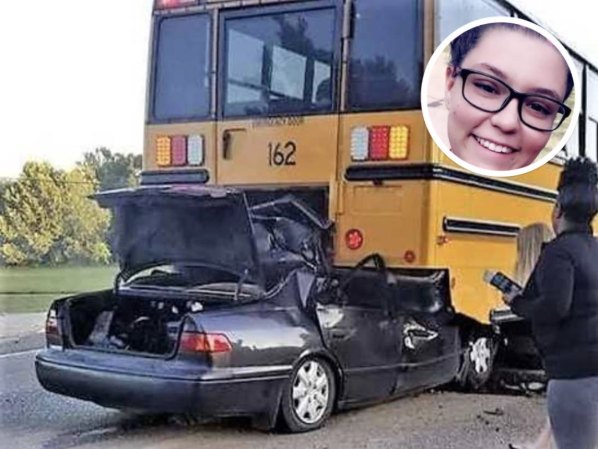
In a tragic turn of events that has shaken the Panola County community, a young life was lost in a school bus crash. The Mississippi Highway Patrol has confirmed that the collision occurred at approximately 7:15 a.m. on Wednesday morning when a driver collided with a South Panola School bus. The victim has been identified as Katelyn Ray, according to family members.

The incident unfolded as Ray’s car rear-ended the back of a South Panola School bus on Highway 15 near Highway 6 in Panola County. This heartbreaking turn of events occurred while Ray was on her way to pick up her older sister from work. The last conversation between Katelyn and her mother, Shelia Ray, was a simple exchange of love and familial affection, a moment that would tragically become their final farewell.

Shelia Ray, recounting the sequence of events, expressed her disbelief at the subsequent turn of events. The family’s attempts to reach Katelyn were met with an eerie silence, prompting growing concern. The agonizing wait ended with a phone call from the highway patrol, delivering the devastating news of a severe car accident involving Katelyn.

According to the Mississippi Highway Patrol, the impact of the collision resulted in Katelyn Ray’s car forcefully colliding with the rear of the school bus. The timeline of events intensified the family’s worry, particularly when Katelyn failed to arrive at her sister’s workplace by 7:30 a.m. Courtney Pettit, the victim’s sister, shared the mounting anxiety, wondering about Katelyn’s whereabouts during those crucial moments.

Faced with uncertainty, Courtney Pettit turned to social media, making a poignant Facebook post seeking any information about her missing sister. It was during this desperate search that the family received the heart-wrenching news of the tragedy that unfolded on the highways of Panola County.

Stephanie Pettit, Katelyn’s aunt, expressed the family’s anguish, acknowledging the difficulty of imagining the circumstances that led to the crash. Katelyn, a proud aunt herself, was actively pursuing GED classes at the WIN Job Center, showcasing her vibrant and outgoing personality.

As the Panola County community grapples with the loss of a young life, the investigation into the crash is ongoing, spearheaded by the Mississippi Highway Patrol. The tight-knit community now mourns the passing of Katelyn Ray, who had recently obtained her driver’s license merely two months prior to the tragic accident. The void left by this unfortunate incident serves as a stark reminder of the fragility of life on the roads.

Twelve dead including famous singer in plane crash off remote island

by
Twelve dead including famous singer in plane crash off remote island

A tragic plane crash off the coast of Roatan Island, Honduras, has claimed twelve lives, including celebrated Garifuna musician Aurelio Martinez. The Lanhsa Airlines flight went down shortly after takeoff on Monday, prompting an urgent response from national authorities and rescue teams.

According to the Honduran transport ministry, the aircraft was carrying fourteen passengers and three crew members en route to La Ceiba on the mainland. Among the victims were two children, a French citizen, and a U.S. national, local police confirmed.

The crash occurred roughly one kilometer from Roatan International Airport, a popular tourist area surrounded by coral reefs. Images from the scene showed emergency teams working late into the night, using torchlight to recover bodies from the sea.

Rescue operations have faced major challenges due to poor weather conditions and limited visibility. Franklin Borjas, Roatan’s fire chief, confirmed that search and recovery efforts remain ongoing, with one person still missing as of the latest update.

In response to the disaster, President Xiomara Castro activated the country’s Emergency Operations Committee (COE). The coordinated effort involves the Armed Forces, National Police, Red Cross, Ministry of Health, and other agencies working together at the crash site and nearby hospitals.

All survivors and injured passengers have been transported to medical facilities in San Pedro Sula and La Ceiba for treatment. Authorities continue to investigate the cause of the crash while prioritizing the recovery of victims.

President Castro expressed her condolences to the families affected and reaffirmed the government’s commitment to providing full support. “May God protect people’s lives,” she stated, calling the tragedy a national loss.

As Honduras mourns the victims, tributes pour in for Aurelio Martinez, whose music celebrated Garifuna culture and unity — a legacy now remembered with sorrow and deep respect.

Respiratory Virus RSV Prompts Extended Public Health Measures in the U.S.

by
Respiratory Virus RSV Prompts Extended Public Health Measures in the U.S.

Respiratory syncytial virus (RSV), often considered a typical seasonal respiratory illness, is showing an unusually prolonged pattern this year. Recent federal health data indicate that positive test results are higher than levels observed last year, even as spring progresses. Wastewater surveillance conducted by the CDC shows that approximately half of the United States is experiencing moderate circulation, with the Midwest and northern Plains reporting consistently higher activity.

Extended Immunization Measures

In response to this unexpected trend, public health officials have extended RSV immunization programs through April

30. These measures are particularly important for individuals who may be more vulnerable, including infants, older adults, and people with underlying respiratory conditions. Timely immunization during this period can help reduce the risk of severe illness and prevent unnecessary hospital visits.

Understanding the Seasonal Shift

This late-season activity highlights a shift in patterns previously associated with RSV and other respiratory viruses. Health authorities note that seasonal expectations may no longer fully predict virus activity, emphasizing the need for ongoing vigilance and preventive measures throughout the year. Families and caregivers are encouraged to monitor updates from reliable public health sources and take recommended precautions to protect those at higher risk.

Practical Safety Tips

While vaccination remains a key protective measure, simple practices can also help reduce transmission:

Wash hands regularly and thoroughly.

Cover the mouth and nose when coughing or sneezing.

Avoid close contact with anyone showing respiratory symptoms, especially in vulnerable populations.

Ensure indoor spaces are well-ventilated when possible.

Community Awareness and Support

Healthcare providers and community organizations are also sharing guidance to help families navigate this extended RSV season. Public health messaging focuses on awareness, prevention, and timely care for individuals who may develop respiratory symptoms. Early attention to signs such as persistent cough, difficulty breathing, or high fever can ensure prompt medical evaluation when needed.

Moving Forward

The current RSV trend serves as a reminder that respiratory viruses can behave differently from year to year. By combining preventive measures, vaccination, and awareness, communities can reduce the risk of severe illness and support overall public health. Staying informed, following guidance from health authorities, and taking proactive steps remain the most effective ways to navigate seasonal respiratory illness safely.

Background on RSV

Respiratory syncytial virus (RSV) is a common respiratory virus that primarily affects the lungs and airways. While many people experience mild, cold-like symptoms, RSV can cause more serious illness in certain populations. Infants, young children, older adults, and individuals with underlying health conditions—such as chronic lung or heart disease—are at higher risk for complications.

Typically, RSV has been considered a “winter virus,” peaking during the colder months. However, recent surveillance data show that the virus can remain active beyond the traditional season. This shift highlights the importance of year-round awareness, especially in communities with vulnerable populations.

RSV spreads through direct contact with respiratory droplets, such as those produced when an infected person coughs or sneezes. It can also survive on surfaces for several hours, meaning that hand hygiene and surface cleaning are crucial components of prevention.

Understanding the Current Trend

This year, RSV activity is notable because of its persistence into spring. Public health monitoring systems, including wastewater analysis, have detected moderate circulation in many regions. The Midwest and northern Plains, in particular, are experiencing higher levels of infection than expected.

Experts suggest several factors may contribute to this unusual pattern:

Behavioral Changes – Increased indoor gatherings, changes in mask use, and travel patterns may allow viruses to circulate longer.

Immunity Gaps – People who had limited exposure to RSV last season may have lower immunity, making them more susceptible to infection.

Climate and Environmental Factors – Mild temperatures and humidity levels can influence viral survival and transmission, potentially extending seasonal activity.

Understanding these factors helps public health officials adjust recommendations and prepare communities for ongoing exposure risks.

Groups at Higher Risk

While RSV can affect people of all ages, certain groups are more likely to experience severe illness:

Infants and Young Children: Babies under six months old are particularly vulnerable because their immune systems are still developing. Premature infants or those with heart or lung conditions face additional risk.

Older Adults: Adults over 65 may develop more severe symptoms due to age-related changes in immunity and underlying health conditions.

Individuals with Chronic Health Conditions: People with asthma, chronic obstructive pulmonary disease (COPD), heart disease, or weakened immune systems are more susceptible to complications from RSV.

Recognizing these high-risk groups helps families and caregivers prioritize preventive measures, such as immunization and careful monitoring of symptoms.

Symptoms and Early Recognition

RSV symptoms can range from mild to severe. Early recognition is key to seeking timely care and preventing complications. Common symptoms include:

Runny or congested nose

Cough and sore throat

Mild fever

Wheezing or difficulty breathing in severe cases

Fatigue and reduced appetite

In infants and very young children, additional signs such as irritability, poor feeding, and unusual lethargy may indicate RSV infection. Older adults and individuals with chronic health conditions may experience exacerbation of underlying conditions, such as worsening asthma or heart failure.

Prompt attention to symptoms, particularly in high-risk individuals, can reduce the likelihood of hospitalization and serious complications.

Vaccination and Immunization Efforts

Vaccination remains one of the most effective ways to protect against RSV. This season, public health officials have extended immunization campaigns through April 30 to cover late-season cases. Immunization is particularly recommended for:

Infants and young children, particularly those under six months old

Older adults, especially those over 65

People with chronic respiratory or heart conditions

RSV vaccines and monoclonal antibody treatments have been shown to reduce the risk of severe illness and hospitalization. Families are encouraged to speak with healthcare providers to determine eligibility and schedule vaccinations in a timely manner.

Preventive Measures at Home and in the Community

In addition to immunization, everyday precautions can help prevent the spread of RSV. These include:

Hand Hygiene: Frequent handwashing with soap and water for at least 20 seconds helps remove viruses from the hands.

Respiratory Etiquette: Covering coughs and sneezes with a tissue or elbow reduces the spread of respiratory droplets.

Surface Cleaning: Regularly disinfecting commonly touched surfaces, such as doorknobs, countertops, and toys, helps limit viral transmission.

Avoiding Close Contact: Limiting exposure to individuals showing signs of illness, especially for high-risk family members, reduces infection risk.

Proper Ventilation: Keeping indoor spaces well-ventilated helps lower viral concentrations in the air.

These simple, low-risk measures complement vaccination and play a critical role in protecting vulnerable populations.

Community Awareness and Public Health Messaging

Public awareness campaigns are essential in managing RSV and other respiratory viruses. Accurate, timely information helps families make informed decisions about immunization, symptom monitoring, and seeking medical care.

Communities can support these efforts by:

Promoting educational resources about RSV and preventive measures

Encouraging timely vaccination for at-risk populations

Supporting local healthcare providers in outreach and awareness initiatives

Sharing guidance on when to seek medical attention

By fostering community awareness, the risk of severe illness can be reduced, and public health resources can be better allocated.

The Role of Healthcare Providers

Healthcare providers play a central role in managing RSV risk. They can:

Identify high-risk patients and recommend preventive measures

Administer vaccines and monoclonal antibody treatments

Provide guidance on symptom monitoring and when to seek care

Educate families and caregivers on proper hygiene and infection control

Strong collaboration between healthcare providers, public health agencies, and communities is key to navigating this extended RSV season safely.

Preparing Families for Late-Season Respiratory Illness

Late-season RSV activity reinforces the importance of preparedness. Families can take proactive steps to reduce risk:

Keep Immunizations Current: Ensure infants, older adults, and high-risk family members are vaccinated.

Monitor Symptoms Early: Recognize early signs of RSV and seek medical care promptly if symptoms worsen.

Practice Preventive Measures: Reinforce hand hygiene, respiratory etiquette, and surface cleaning at home.

Maintain Awareness of Local Trends: Stay informed about RSV activity in your area through public health websites and official updates.

Preparedness helps families respond calmly and effectively if illness occurs, reducing stress and improving outcomes.

Broader Implications for Public Health

The persistence of RSV into spring highlights broader trends in respiratory viruses. Changing patterns of virus activity suggest that public health planning must be flexible and responsive. Factors such as immunity gaps, behavioral changes, and environmental conditions all influence seasonal trends.

This evolving landscape underscores the need for:

Adaptive Immunization Strategies: Extending vaccine availability based on observed trends

Continuous Monitoring: Using tools such as wastewater surveillance and clinical reporting to track viral activity

Community Education: Ensuring that residents understand preventive measures and the importance of timely care

By taking a proactive, data-driven approach, public health agencies can minimize the impact of RSV and other respiratory viruses on vulnerable populations.

Supporting Vulnerable Populations

Protecting those at higher risk requires coordinated efforts from families, healthcare providers, and communities. Supportive measures may include:

Providing access to vaccines and preventive treatments

Offering guidance on home care and symptom management

Ensuring timely medical evaluation for severe cases

Reducing exposure to crowded or high-risk environments

Such measures not only protect individuals but also help reduce overall strain on healthcare systems during periods of elevated virus activity.

Final Thoughts

The current RSV season demonstrates that respiratory viruses can extend beyond their traditional timelines, requiring flexibility, awareness, and preventive action. Families, healthcare providers, and communities all have roles to play in reducing risk and protecting vulnerable populations.

By combining vaccination, hygiene practices, symptom awareness, and public health guidance, individuals can navigate this late-season surge safely. Staying informed and proactive ensures that infants, older adults, and those with chronic health conditions receive the protection and care they need.

Ultimately, the ongoing RSV activity serves as a reminder that vigilance, preparedness, and community cooperation are key to maintaining public health, even as seasons change. Awareness, timely action, and preventive measures remain the most reliable strategies for keeping families and communities safe throughout the year.

Fire on cruise ship triggers massive evacuation at sea and generates international alarm

by
Fire on cruise ship triggers massive evacuation at sea and generates international alarm

A fire on board a cruise ship caused tense moments at sea and triggered international evacuation protocols. Images circulating on social media show plumes of smoke rising from the ocean as passengers were assisted with life jackets.

The incident occurred during a routine voyage. What was supposed to be a day of rest and relaxation turned into an emergency operation that mobilized the crew and nearby rescue teams.

According to preliminary reports, internal alarms began to sound when smoke was detected in one of the vessel’s technical areas. Within minutes, the emergency protocol was activated.

An immediate response to prevent a greater tragedy.

The crew coordinated the phased evacuation following international standards established by the International Convention for the Safety of Life at Sea (SOLAS). These procedures include the automatic activation of fire suppression systems and the isolation of compartments.

Passengers were guided to designated assembly points. Some boarded lifeboats, while others were assisted by nearby vessels that responded to the distress call.

Maritime safety experts emphasize that a rapid response is crucial in these types of incidents. Every minute counts in containing the emergency and protecting lives.

The origin of the fire is under investigation.

So far, there is no official confirmation of the exact cause of the fire. Technical investigations typically focus on electrical systems, machinery areas, or failures in mechanical components.

Maritime authorities have indicated that a full structural inspection will be carried out, including the analysis of the ship’s electronic records, internal protocols, and crew statements.

Transparency in these processes is fundamental to maintaining public trust in the maritime tourism industry.

Cruise ship safety: international standards

Despite the visual impact of images of fires at sea, the cruise industry is regulated by strict global standards. Modern vessels have multiple redundant safety systems.

Mandatory measures include evacuation drills at the start of each trip, permanent light signage, and continuous staff training.

Experts emphasize that, statistically, cruises remain one of the safest forms of tourist transport worldwide.

Impact on public perception

High-profile incidents often have immediate repercussions on reserves and security perceptions. However, when the emergency response is efficient and well-documented, recovery is usually gradual.

The maritime industry represents billions of dollars annually and relies heavily on rigorous safety standards and international oversight.

While investigations continue, relatives of passengers await official reports detailing the condition of the occupants and the true extent of the incident.

A lesson on prevention and preparedness

This event once again puts the importance of prevention, technical maintenance and constant training in maritime transport at the center of the debate.

Emergencies at sea require precise coordination, clear leadership, and well-rehearsed protocols. The difference between chaos and control often lies in preparation.

Authorities always recommend verifying information through official channels before sharing unconfirmed reports, especially when shocking images circulate on social media.

The investigation remains openas experts analyze every technical detail to determine the causes of the fire and establish responsibility, if any.

SHE’S OUT! First Trump official gone after defying his orders… See below for details

by
SHE’S OUT! First Trump official gone after defying his orders… See below for details

SHE’S OUT! A senior official tied to Donald Trump is no longer in her role following a high-profile clash that insiders say stemmed from defying direct orders. The sudden exit sent shockwaves through Washington, immediately fueling speculation about internal power struggles and the limits of loyalty within Trump’s political orbit. While official statements were brief and carefully worded, sources close to the situation describe the departure as abrupt, signaling a zero-tolerance approach to dissent at the top levels.

According to reports, the official had raised objections to a directive that conflicted with her interpretation of policy or legal procedure. That resistance, insiders claim, was viewed as unacceptable in an environment where alignment with leadership is expected to be absolute. Within days, conversations behind closed doors reportedly shifted from negotiation to replacement, culminating in her removal. Supporters of the move argue it reinforces discipline and clarity of command, while critics warn it discourages independent judgment inside government.

The fallout has been immediate. Allies of the ousted official expressed concern about what they see as a chilling effect on professional disagreement, suggesting that experienced voices may think twice before offering pushback in the future. Meanwhile, Trump’s supporters praised the decision as decisive leadership, saying it proves that insubordination won’t be tolerated and that elected leadership—not unelected officials—sets the agenda. Social media erupted, with hashtags and hot takes framing the exit as either accountability or authoritarian overreach.

What happens next could shape the tone for future appointments and internal debates. With a replacement expected swiftly, observers are watching to see whether the new pick signals continuity or an even tighter circle of loyalty. One thing is clear: the episode underscores how quickly fortunes can change in high-stakes politics—and how defying orders at the top can carry immediate consequences.

18 countries directly affected if a nuclear strike hits Iran

by
18 countries directly affected if a nuclear strike hits Iran

Fears of a broader global conflict intensified after Donald Trump issued a stark warning involving Iran, heightening anxiety before news emerged of a temporary ceasefire. While tensions may have briefly eased, the underlying concern remains clear: in the event of a nuclear strike, the consequences would extend far beyond any single nation.

The impact of a nuclear detonation is immediate and overwhelming. Within moments, entire areas can be erased. At close range, structures, infrastructure, and life itself are instantly vaporized. Expanding outward, the force of the blast crushes buildings, ignites fires, and leaves widespread devastation across miles. For those who survive the initial explosion, the danger continues in a different form—radiation exposure that can cause severe injury, long-term illness, and, in many cases, death.

Amid this backdrop, political rhetoric has drawn heightened scrutiny. Pakistan’s Prime Minister Shehbaz Sharif confirmed early Wednesday that the United States and Iran had agreed to a temporary two-week ceasefire, according to the BBC. The announcement followed a series of comments by Trump that quickly circulated online and prompted concern.

<blockquote>“A whole civilization will die tonight, never to be brought back again. I don’t want that to happen, but it probably will. However, now that we have Complete and Total Regime Change… maybe something revolutionarily wonderful can happen, WHO KNOWS?”</blockquote>

The remarks were met with criticism and sparked renewed debate about the potential escalation of the conflict. Discussions surrounding nuclear capabilities resurfaced, particularly after Vice President JD Vance stated that the United States possesses “tools” that have not yet been used in the current situation—language widely interpreted as a reference to advanced or strategic weaponry.

Iran, for its part, issued its own warnings, signaling that any attack could trigger retaliation against targets across the region. While the immediate concern centers on Iran, experts caution that the consequences of a nuclear strike would not remain contained within its borders.

Geographically, Iran is surrounded by multiple neighboring countries that could be directly exposed to radioactive fallout. Iraq, Turkey, Armenia, Turkmenistan, Afghanistan, and Pakistan all share land borders with Iran, placing them at immediate risk depending on environmental factors such as wind direction and atmospheric conditions.

Across the Persian Gulf, additional countries could also face serious repercussions. Kuwait, Bahrain, the United Arab Emirates, Qatar, Saudi Arabia, and Oman are closely connected through shared air currents and water systems. In particular, the region’s heavy reliance on desalinated seawater introduces a critical vulnerability—any contamination of the Gulf could rapidly evolve into a widespread public health crisis affecting millions.

Beyond these immediate zones, secondary risks could emerge in countries such as Syria, Lebanon, Israel, and Jordan. Shifting fallout patterns, combined with regional weather systems, mean that radioactive material could travel unpredictably, extending the reach of the disaster.

While it is impossible to determine exactly how such a scenario would unfold, the broader implications are widely understood. A nuclear event would not be limited to one target or one country. Instead, it would trigger a cascade of humanitarian, environmental, and geopolitical consequences, affecting multiple nations both directly and indirectly, with effects that could last for generations.