Top Ad 728x90

mercredi 12 ao没t 2026

2 MINUTES AGO! END IS NEAR? BIGGEST TRAGEDY JUST HAPPENED IN THE USA

by


 The sky turned a bruised, unnatural shade of violet just moments before the sirens began their mournful wail, a sound that cut through the humid air like a jagged blade. Across the heartland, families who were merely finishing their dinner found their lives upended in a heartbeat as the horizon seemed to buckle under the weight of an unseen force. It wasn’t just the physical destruction that left the nation reeling, but the sudden, suffocating realization that we were standing on the edge of…

…a precipice we had long ignored. In the aftermath of the devastation, silence has become the most haunting sound of all. Survivors wander through the wreckage of their own lives, clutching photographs and remnants of a past that feels like it belongs to someone else. There is a collective, visceral reaction rippling through the country—a deep-seated intuition that this tragedy is not merely a statistical anomaly or a stroke of bad luck, but a profound, chilling signal that the foundations of our society are far more fragile than we dared to believe.

History is often written in the ink of catastrophe, and in the quiet hours following the event, the conversation has shifted from the logistics of recovery to the metaphysics of survival. Why now? Why here? These questions are being whispered in prayer circles, debated in the halls of power, and grappled with in the lonely hours of the night. For many, the sheer scale of the ruin serves as a mirror, reflecting the fractures in our own moral and communal lives. We have become a nation obsessed with the immediate, the digital, and the trivial, often losing sight of the bedrock values that once anchored us against the storms of time.

There is a dignity in how the survivors have reached out to one another, their hands calloused from moving debris, their eyes heavy with the weight of loss. This is the human response to tragedy: to rebuild, to comfort, and to find meaning in the ashes. Yet, the lingering question remains—is this a warning? If we view the world through a lens of cause and effect, we must eventually confront the possibility that our trajectory has been unsustainable. The tragedy acts as a forced pause, a moment where the frantic pace of modern existence is brought to a screeching halt, demanding that we look at what truly matters.

As the sun sets over the scarred landscape, the flickering lights of emergency vehicles illuminate the faces of people who are no longer the same as they were yesterday. They have been touched by the reality of how quickly everything can vanish. This is not the end of the story, but it is certainly the end of an era of complacency. We are being asked to look inward, to evaluate the integrity of our choices, and to consider whether we have been building our houses on sand. The warning is not in the destruction itself, but in the opportunity it provides for a fundamental shift in how we treat our neighbors and how we honor the fragile gift of life.

Resonance is found in the way we choose to move forward. We can either retreat into fear, waiting for the next blow to fall, or we can use this moment as a catalyst for a deeper, more meaningful connection to one another. The tragedy has stripped away the pretenses of our daily lives, leaving us raw and exposed. In that vulnerability, there is a chance for renewal. The ground may have trembled, but the spirit of the people remains, bruised but unbroken, searching for a path that leads away from the abyss and toward a horizon that promises more than just survival—it promises a chance to begin again, with eyes wide open to the truth.

The Secret of Aspirin in Laundry: A Tradition Passed Down

by


 After my mother-in-law passed away, I took on the responsibility of helping my father-in-law with household chores, including laundry. One thing that caught my attention was his insistence on adding aspirin to the washing machine every time I did the laundry. At first, I thought it was an unusual request, but when I asked him why, he simply replied, “That’s how my wife used to do it.” This piqued my curiosity, and I decided to delve into the science behind this practice. What exactly does aspirin do in the laundry, and is it a useful hack or just an old wives’ tale?

Aspirin and Laundry: A Surprising Connection
Aspirin, scientifically known as acetylsalicylic acid, is widely used as a pain reliever and anti-inflammatory drug. However, its use in laundry is a lesser-known yet effective household trick. The idea of adding aspirin to the wash is not new; many homemakers have used it for years to keep their clothes bright and stain-free. While it may seem odd at first, aspirin can actually be a powerful ally in maintaining clean laundry.

Aspirin contains salicylic acid, which helps break down stains, especially those caused by sweat and bodily oils. Over time, white clothes often develop yellowish stains due to sweat, deodorant residue, and detergent build-up. These stains can be stubborn, making it difficult to restore clothes to their original brightness.

When aspirin dissolves in water, it releases salicylic acid, which penetrates the fabric, loosening and breaking down stain particles. This process helps revive the whiteness of clothes without causing damage. Unlike harsh bleach, aspirin provides a gentler alternative for maintaining fabric quality while effectively combating stains.

These are the consequences of wearing used…

by


 Have you ever noticed patches of thickened skin forming on your toes and feet? These patches can be really painful, but mainly, they are harmless.

The medical name for these patches is corns and calluses, and they are usually a result of shoes that are too tight, too loose, or high-heeled. Also, they often appear when wearing second-hand shoes.
Used shoes can easily create toe issues, since they’ve already been shaped to someone else’s foot. Over time, the form of the shoe is altered and pressure points and seams are created, which are not aligned with your own toes. Consequently, this may cause new problems, including friction and pressure where the shoe rubs and the toes are constantly compressed.

In response, the skin thickens to protect itself, forming a hard, raised area that often appears yellow because of a buildup of dead skin cells (keratin). Hard corns usually form on the tops or sides of the toes and may have a central core that feels painful when pressed, often described as feeling like stepping on a small pebble.

Corns/ NHS
Other Possible Causes (Less Common)

Blisters: Prolonged friction may initially result in blisters full of fluid, which may have a yellow appearance if they get infected.

Fungal infections: If you slip on a pair of previously owned shoes, you could be inviting fungi that cause athlete’s foot and nail infections to set up home on your feet. These infections usually present as itching, redness, peeling skin, or yellowed nails rather than a nodular, firm lesion.

Why Second-Hand Shoes Are More Likely to Cause Problems

New shoes can be uncomfortable at first, but used shoes add even more concerns into the mix. They’ve already been molded to someone else’s feet, creating snug pockets of uneven pressure. Poor sanitation is yet another issue because it can transfer sweat, bacteria or fungi, which can cause irritation or infection.

Calluses/ NHS
How to Treat It

Switch shoes: Stop wearing the shoes that are causing the problem. Instead, choose well-built, comfortable shoes that have a wide toe box, good arch supports, and plenty of cushioning.

Soak and smooth: Soak your feet in warm, soapy water for 10 to 20 minutes, then use a pumice stone or emery board to gently smooth. Do not cut into the skin.

Reduce friction: Pad the area with corn pads, mole skin, or a gel toe sleeve.

Moisturize: Use urea-containing creams to soften hardened skin.

Nonprescription treatments: Salicylic acid pads are available to help remove corns over time.

If the area becomes painful, red, swollen, starts oozing pus, or isn’t getting any better after a couple of weeks, go see a podiatrist. They can safely treat it and check for underlying problems such as bunions or bone spurs.

Please SHARE this article with your family and friends on Facebook.

The Unforgiving Photo

by


 Her husband, Daniel, wasn’t much into outdoor adventures, so when she went on her solo trip to a ranch for the weekend, she promised to send him a few photos to keep him in the loop. On the second day, she found a peaceful stream and paused to take in the beauty around her. The trees swayed gently in the breeze, and her horse bent down to drink from the crystal-clear water.

Elena thought it was the perfect moment for a photo. She handed her phone to one of the other riders, striking a relaxed pose beside her horse, feeling completely at ease in her western gear. The photo turned out great.

Her wide-brimmed hat, the horse grazing at the water’s edge, the picturesque backdrop—it all made for an Instagram-worthy shot. She sent the picture to Daniel with a quick message: “Living my cowboy dreams .”

Minutes later, her phone buzzed with a message notification. It was from Daniel.

President Donald Trump recently underwent a comprehensive cognitive assessment, and the results have just been released.

by


 Trump on Thursday was charged with conspiracy to defraud the United States, conspiracy to obstruct an official proceeding, obstruction of and attempt to obstruct an official proceeding, and conspiracy to violate rights that are guaranteed by the Constitution relating to his alleged involvement in..


News: Cognitive Test Trump Took May Have... (The New York Times) - Behind the headlines

In the news

Media coverage of health and science topics

Cognitive Test Trump Took May Have Been Undermined by Publicity, Doctors Warn

Articles about the test, known as the Montreal Cognitive Assessment, or MoCA, listed some of its questions, potentially influencing future patients.

Read more at The New York Times

Behind the headlines

Research findings and data from the National Library of Medicine

PubMed articles

Media Dissemination of the Montreal Cognitive Assessment After President Donald Trump's Medical Evaluation

This study presents data on the surge in interest in the Montreal Cognitive Assessment in the wake of news about US President Donald Trump undergoing this test.

Related content

Similar articles

Reviews

People also viewed

Also of interest

Additional recent and related news

Why American voters were primed for a president who talks like Trump

Trump’s confident and simple style of communication might seem different than that of past presidents, but it's consistent with long-term trends.

What cognitive tests measure and could tell us about Biden and Trump

Cognitive tests can be used to rule out impairment associated with Alzheimer’s disease and stroke but do not measure intelligence.

No, You Don't Need to See President Trump's Medical Records

Throughout history, US presidents have fudged the truth about their health. But all the data voters need about Trump is already out for everyone to see.

Blood-brain barrier test may predict dementia

A new study suggests that measuring the breakdown of the blood-brain barrier could be an early way to test for cognitive impairment from Alzheimer’s disease and other causes.

1 in 10 Americans over 65 have dementia, study finds | CNN

Rates of dementia and mild cognitive decline rise every five years after 65, a new study found. African Americans were more likely to have dementia, and Hispanics were more likely to suffer from mild cognitive impairment.


Reasons You Could Have Numbness or Tingling Sensations in Your Hands

by


 Why Your Hands Might Feel Numb or Tingly

Feeling numbness or tingling in your hands—often described as “pins and needles”—can be mildly annoying or a sign of something more serious. Here are some common causes:

1. Sleeping Position
Lying on your arm can compress nerves, causing temporary numbness that usually fades after changing positions.

2. Repetitive Motions
Typing or using tools repeatedly may lead to nerve compression, such as in carpal tunnel syndrome.

3. Vitamin B12 Deficiency
This essential nutrient supports nerve health. A deficiency may cause tingling, fatigue, and muscle weakness.

4. Electrolyte Imbalance
Low levels of calcium, sodium, or potassium can affect nerve function and cause tingling.

5. Diabetes
High blood sugar can damage nerves, resulting in diabetic neuropathy—tingling or numbness, especially in hands and feet.

6. Spinal or Neck Issues
Herniated discs or spinal wear can irritate nerves, causing symptoms in the arms and hands.

7. Autoimmune Diseases
Conditions like rheumatoid arthritis may damage nerves, leading to tingling and weakness.

8. Poor Circulation
Issues like Raynaud’s or arterial blockages reduce blood flow and can cause tingling, especially in cold conditions.

9. Cysts or Tumors
Growths pressing on nerves—like ganglion cysts—may lead to numbness or reduced movement.

10. Infections
Some infections, such as shingles or Lyme disease, can directly affect the nerves.

When to See a Doctor
Seek immediate help if symptoms include:

  • Weakness or paralysis
  • Slurred speech or confusion
  • Dizziness or spreading numbness

Conclusion
While often harmless, persistent or severe numbness warrants medical attention to rule out underlying conditions and get proper treatment.

Silent Streets, Shattered Certainties

by


 They never saw it coming. One second, sunlight and laughter; the next, glass exploding like ice and a scream that didn’t seem human. On that quiet street, time folded in on itself, leaving only sirens and the metallic smell of fear. Neighbors whispered, officials hesitated, and a single question spread like a sha…

The crash in La Rochelle became more than an accident; it became a reckoning. Parents gripped their children’s hands a little tighter, while elderly drivers checked their mirrors with a new, uneasy doubt. The debate was no longer abstract. It lived in hospital corridors, in living rooms, in the trembling hands that still clutched car keys like proof of independence.

Finding the balance between safety and dignity demands courage from everyone involved. It means rewriting laws that ignore age-related decline, but also softening the shame of surrendering a license. Families must dare to speak before tragedy speaks for them, and institutions must support those transitions with empathy, not stigma. In the end, choosing to step away from the wheel can be a final, profound act of love—protecting strangers on the road, and preserving the grace of one’s own final journeys.

Bleach stains on your clothes? No need to throw them away: here’s a solution.

by


A sudden movement, a few splashes, and suddenly your favorite top is stained forever… or so it seems. Bleach stains are one of those little daily dramas that make you want to give up. However, before you give up on your garment, know that there are solutions to minimize the stain or even turn the accident into a creative opportunity.

Why bleach leaves indelible marks
Bleach isn’t a common stain: it whitens the fabric by removing the pigment. In other words, the color disappears. This is why repeated washings don’t change anything. The goal isn’t to « remove » the stain, but to reduce its visibility or visually balance the surrounding color.

The trick to minimize the stain (with caution)
A commonly cited method is to use clear alcohol (such as vodka or gin) to even out the discolored area.

How to proceed safely (with precise quantities)
Pre-rinse (required)
Rinse the stained area under cold or lukewarm running water for at least 2 minutes, gently massaging the fabric between your fingers to remove all traces of bleach.

See what happens to your body if you

by


 Eating a banana each day promotes heart health due to its potassium content, aids digestion with its fiber, and provides a natural energy boost from its sugars.

Rich in vitamin B6 and antioxidants, bananas help improve mood and strengthen immunity.

Their magnesium supports better sleep and muscle relaxation.

While highly nutritious, it’s important to consume them in moderation to prevent potential weight gain or nutrient imbalances.

A wholesome and convenient choice for maintaining overall well-being!

People debate if Fox News guest was wearing a human mask

by


 What began as a routine Fox News segment on Iran turned into a surreal internet spectacle, with Vice Admiral Robert Harward’s neck becoming the unlikely star. A strange line above his collar, captured in low-resolution reposts, convinced some viewers they were seeing the edge of a hyper-realistic silicone mask hiding someone else in plain sight. Reddit threads filled with slowed-down clips, circles drawn in red, and bold claims that the man on screen was an imposter.

Others pushed back, pointing to studio uplighting, double shadows, compression artifacts, and Harward’s layered dark clothing as a far more mundane explanation. Lighting professionals weighed in, noting how harsh angles and poor video quality can carve bizarre shapes into skin on camera. In the end, there is no evidence of a disguise—only a retired officer, a strange visual quirk, and an online culture now primed to doubt even the faces it sees.

Woman D!es On Honeymoon With Husband After He Caught Her…

by


 What was supposed to be the happiest trip of their lives slowly transformed into something unrecognizable. The honeymoon had been planned for months — flights booked carefully, hotels chosen with excitement, photos imagined long before the bags were packed. Like many newlyweds, they arrived carrying the glow of fresh promises and the belief that this journey would become the beginning of a lifetime of memories together.

At first, nothing seemed seriously wrong.

She mentioned feeling unusually tired, but exhaustion felt understandable after the stress of a wedding, travel, and long days spent exploring unfamiliar places. She brushed it off casually, insisting she only needed rest. Even when small symptoms continued appearing — moments of dizziness, unusual weakness, discomfort she struggled to fully explain — she minimized them. Neither of them wanted to believe anything serious could interrupt a trip they had waited so long to experience.

That is often how medical emergencies begin: quietly, disguised as ordinary fatigue or temporary discomfort.

But her husband began noticing things that unsettled him in ways he could not fully explain. It was not just that she looked tired. Something about her behavior felt subtly wrong. The way she paused longer between sentences. The strange paleness in her face. The effort it suddenly seemed to take for her to walk short distances. Tiny details that might appear insignificant individually started forming a terrifying pattern once placed together.

Still, they hesitated.

Travel creates its own kind of denial. People convince themselves they are dehydrated, jet-lagged, stressed, overheated, or simply overwhelmed. In unfamiliar countries, surrounded by language barriers and uncertainty, seeking medical help can feel intimidating enough that many push symptoms aside longer than they normally would at home.

They tried to continue the trip.

But eventually the symptoms became impossible to ignore.

What had started as vague exhaustion rapidly spiraled into a true medical emergency. Suddenly they were no longer sightseeing or discussing dinner plans. They were racing through unfamiliar streets toward a foreign hospital, fear replacing every expectation the honeymoon once carried.

Inside harsh fluorescent corridors filled with unfamiliar voices and medical terminology, the reality finally began crashing down around them.

Doctors moved quickly. Tests were ordered. Questions came rapidly. And then the diagnosis arrived — an underlying medical condition that had gone undetected for far too long, silently worsening beneath symptoms easy to dismiss until the damage became catastrophic.

By the time they understood what was truly happening, it was already too late to change the outcome.

For her husband, the experience became every nightmare condensed into a single unbearable stretch of time. One moment he had been planning a future beside his new wife. The next he was standing helplessly in a foreign hospital watching that future disappear in front of him. The honeymoon photographs sitting on their phones suddenly transformed into painful evidence of how quickly joy can collapse into grief without warning.

The cruelty of those moments often lives in their suddenness.

There is no emotional preparation for becoming a widower days after saying wedding vows. No roadmap for processing love, shock, disbelief, and devastation all at once while trapped thousands of miles from home. In unfamiliar hospitals, strangers became the final witnesses to a relationship that should have lasted decades instead of days.

Now, after the loss, her family faces another painful reality beyond grief itself: the complicated process of bringing her home.

Paperwork, international coordination, legal procedures, transportation logistics — all of it unfolds while people are barely capable of emotionally surviving the loss in the first place. Every phone call becomes another reminder that the person they loved is no longer coming back alive. Distance adds its own layer of cruelty to mourning. Even saying goodbye becomes delayed by bureaucracy and geography.

Yet amid the heartbreak, family and friends continue describing the woman they lost with striking consistency.

Fearless. Kind. Full of life. The kind of person who made others feel safe and welcome immediately. People speak not only about her laughter, but about the energy she carried into ordinary moments — the plans she still had, the future she expected to reach, the joy she brought into the lives around her.

That contrast makes tragedies like this feel especially unbearable.

Someone so alive suddenly gone because symptoms that seemed manageable concealed something far more dangerous underneath.

And perhaps that is why her family continues sharing her story despite the pain of retelling it.

Not because it changes what happened, but because they hope it may save someone else from hesitating too long. Medical emergencies do not always arrive dramatically. Sometimes they appear disguised as fatigue, dizziness, nausea, shortness of breath, or vague feelings that “something isn’t right.” People often ignore those signals because they do not want to seem dramatic, ruin plans, worry others, or face inconvenient possibilities.

But the body whispers before it screams.

Especially while traveling far from home, listening to those whispers matters. Seeking medical attention early may feel inconvenient, expensive, or unnecessary in the moment. Yet hesitation can become dangerously costly when serious conditions remain hidden beneath seemingly ordinary symptoms.

For the people who loved her, that awareness now feels inseparable from grief itself.

Because what began as a honeymoon filled with hope became a devastating reminder of how fragile life truly is — and how quickly “we still have time” can turn into words nobody gets the chance to say again.

Why Some Travelers Leave the Bathroom Light On in Hotels

by


 Many travelers and hotel experts recommend leaving the bathroom light on overnight because it creates a soft glow that makes an unfamiliar room easier to navigate. When staying somewhere new, even small details like where the furniture sits or how to reach the door can feel confusing in the dark.

The gentle brightness from the bathroom offers reassurance without the harshness of turning on a full room light. This subtle illumination helps guests relax, settle in more comfortably, and avoid the unsettling feeling that total darkness can create in a strange environment.

For many people, sleeping in a pitch-black room far from home increases nighttime anxiety. A dim, indirect light reduces that sense of vulnerability and makes it easier to regain your bearings if you wake up in the middle of the night feeling disoriented.

Instead of using bright bedside lamps or hallway lights, the bathroom light provides a more balanced solution. It preserves the calm atmosphere needed for rest while still ensuring the room isn’t completely dark.

Another benefit is safety and convenience. If you need to get up to grab water, adjust the thermostat, or use the bathroom, the gentle light helps you avoid stumbling into unfamiliar furniture or tripping over items you may have set down earlier.

This is especially helpful in hotel rooms, where layouts vary widely and navigating in total darkness can feel risky. The light provides a simple way to move around confidently without disturbing your sleep more than necessary.

A dim nighttime light can also support better rest overall. Waking up in complete darkness can cause a sudden jolt of confusion, but a soft glow helps you stay oriented and fall back asleep more easily.

For many travelers, leaving the bathroom light on is a small habit that adds comfort, safety, and peace of mind—making nights in unfamiliar places feel a little more like home.

How to stay calm when you find unwanted “guests” in your child’s hair.

by


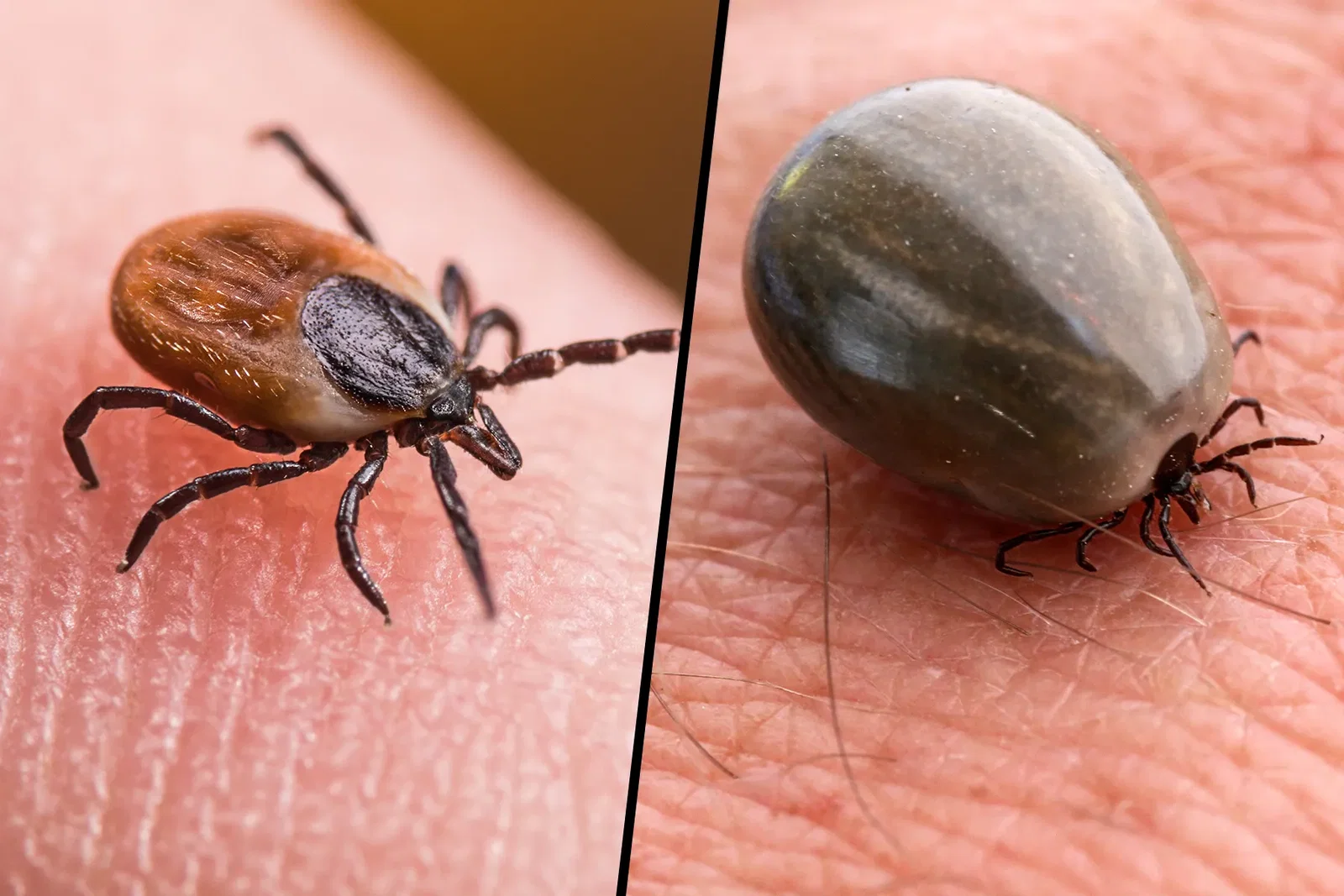
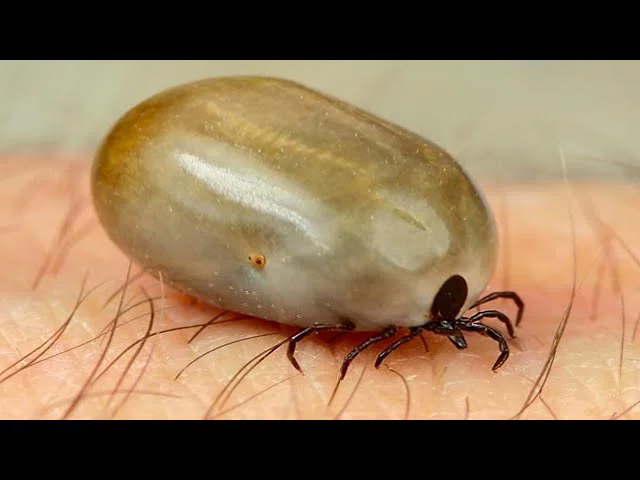
 Once a tick bites, it locks onto the skin and begins feeding. At first, the bite may look like a small red bump. Mild itching, swelling, or irritation around the area is also common. However, the real concern is not always the bite itself but the infections certain ticks can transmit while feeding.

The longer a tick stays attached, the greater the risk of disease transmission in some cases. That is why quick removal is so important. Removing the tick carefully and cleaning the area properly can help reduce complications.

After a tick bite, some redness or irritation may be harmless, but it is important to monitor symptoms closely over the following days and weeks. Warning signs can include fever, headaches, fatigue, swollen lymph nodes, muscle aches, joint pain, or flu-like symptoms. Some people may also develop chills, weakness, or a rash that spreads gradually over time.

A growing rash is particularly important to watch for because it can sometimes indicate a tick-borne illness.

Ticks are known to spread several diseases, with Lyme disease being one of the most recognized. Symptoms may include fever, headaches, tiredness, joint pain, muscle aches, and a spreading skin rash. If left untreated, Lyme disease can eventually affect the joints, nervous system, or even the heart.

Other illnesses associated with ticks include Rocky Mountain spotted fever, ehrlichiosis, anaplasmosis, babesiosis, and tick paralysis. These conditions can become serious, especially for older adults, young children, and individuals with weakened immune systems.

Certain symptoms should never be ignored after a tick bite. Medical attention is recommended if the bite area becomes increasingly swollen, painful, warm, or begins producing pus. Fever, unusual exhaustion, severe headaches, muscle pain, or joint stiffness should also be taken seriously.

Emergency care may be necessary if someone develops breathing difficulties, chest discomfort, paralysis, severe weakness, heart palpitations, or neurological symptoms following a tick bite.

Proper removal of a tick is important to avoid irritation or complications. Experts recommend using fine-tipped tweezers to grasp the tick as close to the skin as possible. Pull upward slowly and steadily without twisting or crushing it. Burning the tick or covering it with oil is not advised because those methods may worsen the situation or make removal more difficult.

Once removed, the area should be cleaned thoroughly using soap and water or rubbing alcohol. Washing your hands afterward is equally important. Some doctors also suggest saving the tick in a sealed container or bag in case identification becomes necessary later.

Preventing tick bites is often easier than dealing with the consequences afterward. Avoiding tall grass, wooded areas, and thick bushes whenever possible can reduce exposure. Wearing long sleeves, long pants, and closed shoes while outdoors provides additional protection.

After spending time outside, it is important to inspect the body carefully, paying close attention to the scalp, behind the ears, under the arms, around the waist, behind the knees, and near the ankles. Pets should also be checked regularly because ticks can attach to their fur and later move indoors.

Ticks may be small, but they should never be underestimated. While not every tick carries disease, every bite deserves attention. Early removal, proper cleaning, and watching for warning signs are the best ways to lower the risk of serious health problems. Something that first appears to be a harmless bite can quickly become more serious if symptoms are ignored.

Rest in peace D!ed after father took his…

by


She was only six months old when tragedy struck. A home that should have been filled with care and protection instead became the place where her life was cut short.

She never spoke her first word, took her first step, or experienced the world beyond those early months. In a space meant to nurture her, she became a victim of violence.

By the time emergency responders arrived, it was already too late. What should have been the beginning of a life became an unbearable loss.

In the days that followed, grief settled over the community. Neighbors and strangers alike left flowers and candles, small gestures to honor a life gone too soon.

Her nursery remained untouched, a quiet reminder of everything that might have been—tiny clothes folded, toys waiting, a future that would never unfold.

Though her time was brief, her absence left a lasting impact. The tragedy became a painful reminder of the importance of protection, care, and vigilance for the most vulnerable.

Her story, while heartbreaking, continues to echo as a call for awareness and responsibility, urging communities to ensure that every child is given the safety and love they deserve.

BREAKING: At least 4 dead, 10 injured after mass shooting at child…See more in comment

by


 In the quiet residential corridors of Stockton, California, on February 20, 2026, the sounds of celebration were violently eclipsed by a tragedy that has left the local community and the nation reeling. What was intended to be a vibrant, sun-drenched afternoon dedicated to a child’s birthday party—

a quintessential milestone of innocence—dissolved into a scene of unimaginable carnage when gunfire tore through the gathering. According to the most recent updates from the Stockton Police Department, at least four individuals have been confirmed dead, while ten others were rushed to regional trauma centers.

The medical status of several survivors remains precarious, with many listed in critical condition as surgical teams work to mitigate the damage of a senseless act of violence.

The atmosphere prior to the shooting was described by neighbors as idyllic. Music from a backyard speaker mingled with the laughter of children, and the street was lined with the cars of extended family and friends who had gathered to watch a young child open gifts.

This sense of security was shattered in an instant. Witnesses recounted a rapid succession of sharp cracks that many initially dismissed as the festive pop of late-afternoon fireworks. It was only when the music cut out and was replaced by the guttural screams of parents that the grim reality became clear. In a desperate, instinctive scramble for survival, parents were seen shielding toddlers with their own bodies, diving behind parked vehicles and patio furniture as the peaceful neighborhood was transformed into a tactical nightmare.

The Aftermath of a Scattered Celebration

When first responders arrived on the scene, they encountered a landscape of profound contrast. The festive iconography of a childhood party—brightly colored streamers, half-eaten cupcakes, and discarded wrapping paper—lay scattered among spent shell casings and medical debris. Families, separated in the initial panic, were seen desperately calling out the names of loved ones through the haze of shock. Law enforcement officials have characterized the response as one of the most emotionally taxing in recent memory, noting that the juxtaposition of birthday decorations with such a high level of trauma is a haunting reminder of the fragility of public safety.

Stockton investigators have been working around the clock to piece together the chronology of the shooting. As of now, the motive remains a chilling enigma. Detectives are meticulously reviewing doorbell camera footage from the surrounding blocks and interviewing dozens of shell-shocked witnesses to determine if the assailant had a specific connection to the host family or if the party was the target of a random, calculated strike. The lack of an immediate suspect or a clear catalyst has only served to deepen the anxiety of a community already mourning a staggering loss of life.

A Community Gripped by Grief and Vigilance
This incident in Stockton does not exist in a vacuum; it is part of a broader, more complex narrative of security and vulnerability that has defined the early months of 2026. While the world tracks international headlines—ranging from the political shifts surrounding Donald Trump Jr. in New York to the heart-wrenching search for Nancy Guthrie in the Arizona desert—the tragedy in California brings the conversation back to the sanctity of the domestic sphere.

The search for answers in Stockton mirrors the forensic intensity seen in other high-profile cases this month. Just as a couple in Arizona recently discovered a “blood-stained glove and a rock” near the Guthrie home, providing a potential “signal” in a quiet landscape, Stockton’s forensic teams are searching for that one piece of ballistic or digital evidence that will lead to a suspect. The parallels of loss and the search for justice are resonating across state lines, creating a collective national consciousness that is both weary of violence and hungry for resolution.

The Medical and Psychological Toll
For the ten victims currently hospitalized, the road to recovery is fraught with complications. Trauma surgeons have noted that the physical injuries are only part of the story; the psychological impact of experiencing such violence during a celebratory event can lead to long-term Post-Traumatic Stress Disorder (PTSD), particularly for the young children who witnessed the event. Pediatric specialists are already being deployed to assist the families, emphasizing that the “loss of safety” is a wound that requires as much attention as a physical injury.

In the wake of the shooting, local vigils have begun to sprout along the perimeter of the police cordons. Candles, stuffed animals, and handwritten notes are being placed at a makeshift memorial, providing a quiet space for a city in mourning. The “SAD NEWS” that emerged from Stockton is a sobering reminder of the gaps in our social fabric. It underscores the reality that even the most protected spaces—a family backyard, a child’s birthday—are not immune to the wider trends of violence that continue to challenge law enforcement and lawmakers alike.

Lessons in Resilience and the Path Forward
As the investigation enters its second day, the focus remains on the pursuit of the suspect. Authorities have urged anyone with even the smallest shred of information to come forward, reminding the public that in cases of this magnitude, “every detail counts.” The resilience of the Stockton community is being tested, but the outpouring of support from neighboring cities and the national empathy for the victims offer a glimmer of hope in a dark chapter.

The tragedy also reinforces the importance of community vigilance. In 2026, where we find ourselves repurposing teabags for household remedies or analyzing the ripples in our denim for quality control, that same eye for detail must be applied to our surroundings. Noticing an unfamiliar vehicle or a suspicious “signal” in the neighborhood is no longer a matter of curiosity, but a facet of collective safety.

Ultimately, the story of the Stockton birthday party will be remembered not just for the gunfire, but for the courage of the parents who shielded their children and the first responders who ran toward the danger. While the news cycles will inevitably move on to the next confirmation or medical breakthrough, the families of the four deceased victims will forever mark February 20, 2026, as the day their world was irrevocably altered. The investigation continues, fueled by the hope that justice will provide at least a modicum of closure to a community that has lost far too much.